

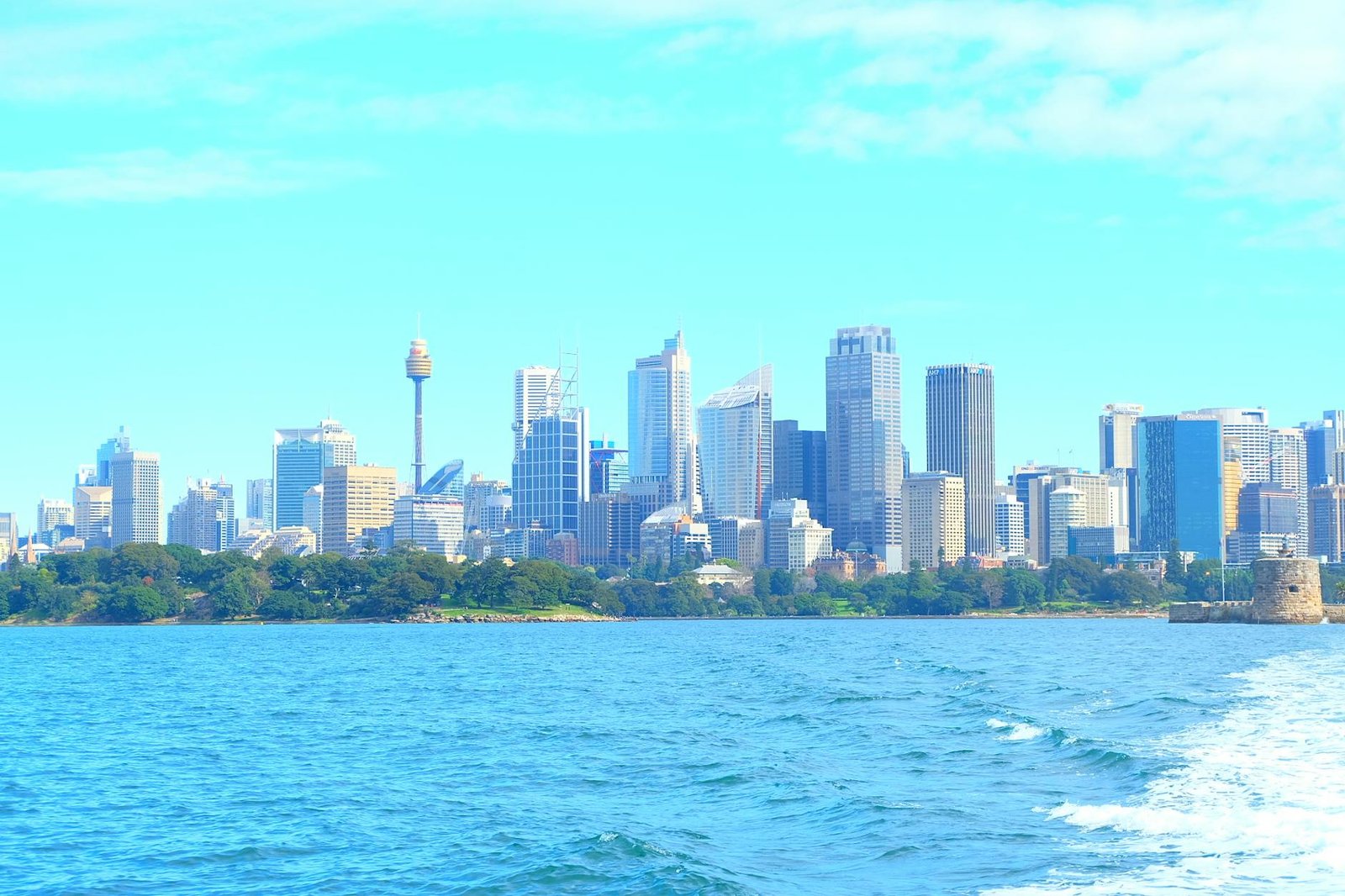
Dreaming of exploring Australia’s stunning landscapes, vibrant cities, and unique wildlife but worried about the cost? You’re not alone. Australia is often perceived as an expensive destination, but with the right budget travel tips Australia, you can experience the Land Down Under without breaking the bank in 2026. From navigating accommodation options to smart transportation choices and savvy food strategies, this comprehensive guide will equip you with the knowledge to make your Australian adventure affordable and unforgettable.
Australia, a vast continent with a population of over 27.5 million people, offers diverse experiences from the bustling streets of Sydney and Melbourne to the ancient wonders of the Outback and the pristine beaches of the Gold Coast (REST Countries, n.d.). While the World Travel & Tourism Council projected Australia’s travel and tourism sector to reach a record $315 billion in 2026, indicating a robust industry, smart planning remains key for budget-conscious travelers (WTTC, 2025). This guide focuses on practical, up-to-date advice for 2026 to help you stretch your dollars further.
What’s Included in This Guide: Essential Budget Travel Tips Australia
This ultimate budget travel guide to Australia for 2026 covers every essential aspect of planning an affordable trip. We’ll dive deep into:
- Understanding the true cost of travel in Australia.
- Detailed breakdowns of accommodation expenses, from hostels to budget hotels.
- Strategies for saving on transportation, including flights, buses, trains, and car rentals.
- Smart tips for eating well on a budget, including grocery shopping and affordable dining.
- How to enjoy Australia’s incredible activities and attractions without overspending.
- The non-negotiable importance of travel insurance.
- A comprehensive look at how much you can expect to spend daily and overall.
Quick Picks: Top Budget Travel Essentials for Australia
Before we dive into the details, here are some quick recommendations to kickstart your budget-friendly Australian adventure:
- Best for Flights: Skyscanner – Compare prices across hundreds of airlines to find the cheapest fares.
- Best for Hostels: Hostelworld – The go-to platform for booking affordable and social hostel stays.
- Best for Budget Hotels/Apartments: Booking.com – Extensive options for hotels, apartments, and guesthouses with competitive pricing.
- Best for Travel Insurance: Travelex – Essential coverage for unexpected events, offering various plans to suit budget travelers.
- Best for Car Rentals: Rentalcars.com – Compare deals from major rental companies for road trips.
The Cost of Accommodation in Australia
Accommodation will likely be one of your largest expenses when traveling Australia. Prices vary significantly based on location, season, and type of lodging. Major cities like Sydney and Melbourne are generally more expensive than regional towns or smaller cities. In 2026, expect a continued trend of fluctuating prices, influenced by demand and local events.
Understanding Accommodation Tiers
To budget effectively, it’s crucial to understand the different types of accommodation available and their typical price ranges:
- Hostels: The most budget-friendly option, ideal for solo travelers and those looking to socialize.
- Budget Hotels/Motels: Offer private rooms with basic amenities, a step up from hostels in terms of privacy.
- Apartments/Vacation Rentals: Good for longer stays or groups, offering kitchen facilities to save on food.
- Camping/Caravan Parks: Excellent for those with their own gear or renting a campervan, providing access to nature at a lower cost.
Factors Influencing Accommodation Costs
- Location: City centers and popular tourist hubs command higher prices. Consider staying slightly outside the main areas and using public transport.
- Season: Peak seasons (summer holidays, school breaks, major events) see significant price hikes. Traveling during the shoulder seasons (spring and autumn) can offer better value.
- Booking in Advance: Especially for popular destinations or during peak times, booking several months ahead can secure better rates.
- Flexibility: Being flexible with your travel dates and even specific locations can unlock cheaper deals.
A Guide to Hostel Costs in Australia
Hostels are the backbone of budget travel in Australia, offering dormitory-style rooms and communal facilities. They are not just for young backpackers; many offer private rooms and cater to a wider age range. In 2026, hostel prices have seen a slight increase compared to previous years, but they remain the most economical choice for solo travelers.
Typical Hostel Prices (2026)
The cost of a hostel bed in Australia can range from AUD $25 to AUD $60 per night for a dormitory bed. Private rooms in hostels typically start from AUD $70 to AUD $120 per night. These prices can fluctuate based on:
- City vs. Regional: Expect to pay more in Sydney, Melbourne, and Perth (e.g., AUD $40-60 for a dorm bed) compared to smaller towns or rural areas (e.g., AUD $25-40).
- Dorm Size: Larger dorms (10-16 beds) are usually cheaper than smaller ones (4-6 beds).
- Amenities: Hostels with swimming pools, free breakfast, or organized activities might be slightly more expensive.
- Booking Platform: While Hostelworld is a popular choice, always compare prices across different platforms and even the hostel’s direct website.
For students, some universities, like Monash University, provide detailed 2026 pricing for on-campus accommodation, which can be a useful benchmark for understanding general accommodation trends, though not directly applicable to tourist hostels (Monash University, 2026).
Tips for Saving on Hostels
- Look for Weekly Rates: Many hostels offer discounts for stays of a week or longer.
- Utilize Kitchen Facilities: Cook your own meals to save significantly on food costs.
- Freebies: Choose hostels that offer free breakfast, free Wi-Fi, or free activities.
- Off-Peak Travel: Avoid major holidays and school breaks when demand and prices are highest.
My 2026 Recommendations for Hotels in Australia
If hostels aren’t your style, or you’re traveling as a couple or family, budget hotels and motels offer a good balance of privacy and affordability. In 2026, the budget hotel market in Australia continues to offer competitive options, especially outside the absolute peak seasons.
Budget Hotel Price Ranges (2026)
For a decent budget hotel or motel room, expect to pay anywhere from AUD $100 to AUD $200 per night. Again, these prices are highly dependent on location and time of year. For example, a budget hotel in a Sydney suburb might cost AUD $150, while a similar standard in a regional town could be AUD $110.
Finding the Best Deals
- Comparison Sites: Use platforms like Booking.com and Expedia to compare prices from various hotels.
- Consider Motels: Often found on the outskirts of towns or along major highways, motels can offer excellent value, especially if you have a car.
- Look for Deals and Promotions: Sign up for newsletters from hotel chains or booking sites to receive alerts about sales.
- Stay Outside City Centers: Hotels in central business districts are almost always more expensive. Look for options in well-connected suburbs.
Hostel vs. Budget Hotel: A Comparison
Here’s a quick comparison to help you decide between a hostel and a budget hotel for your Australian trip in 2026:
| Feature | Hostel (Dorm Bed) | Budget Hotel (Private Room) |
|---|---|---|
| Average Cost (per night, 2026) | AUD $25 – $60 | AUD $100 – $200 |
| Privacy | Low (shared dorm) | High (private room) |
| Social Atmosphere | High (communal areas) | Low (more private) | Amenities (Typical) | Shared kitchen, common room, sometimes free Wi-Fi/breakfast | Private bathroom, TV, basic toiletries, sometimes free Wi-Fi |
| Suitability | Solo travelers, backpackers, social travelers | Couples, families, those seeking more comfort/privacy |
The Cost of Transportation in Australia
Australia is a vast country, and getting around can be a significant expense. However, with careful planning, you can minimize transportation costs. In 2026, air travel remains a dominant mode for long distances, but ground options offer more budget-friendly alternatives.
Domestic Flights
For covering long distances quickly, domestic flights are often necessary. Major airlines like Qantas and Virgin Australia, along with budget carriers like Jetstar and Rex, operate extensive networks. The International Air Transport Association (IATA) reported a 3.8% growth in air passenger demand at the start of 2026, indicating continued activity in the aviation sector (IATA, 2026). This means competitive pricing can still be found.
- Booking in Advance: The golden rule for flights. Book several months ahead for the best prices.
- Be Flexible with Dates: Flying mid-week or during off-peak hours can save you money.
- Use Flight Comparison Sites: Skyscanner and Google Flights are excellent for comparing fares across different airlines.
- Consider Budget Airlines: Jetstar and Rex often have cheaper fares, but be aware of extra costs for baggage, seat selection, and meals.
Buses and Trains
For inter-city travel, buses are generally the most affordable option, though slower. Greyhound Australia offers extensive routes connecting major cities and many regional areas. Train travel, while scenic, can be more expensive than buses for long distances, but regional services can be a good option for shorter trips.
- Greyhound Australia: Look into their “Whimit” passes for unlimited travel over a set period, which can be very cost-effective for extensive trips.
- Regional Public Transport: In and around cities, public transport (buses, trains, trams) is efficient and affordable. Purchase a rechargeable smart card (e.g., Opal Card in Sydney, Myki in Melbourne) for cheaper fares.
Car Rental and Campervans
Renting a car or campervan offers unparalleled flexibility, especially for exploring national parks and remote areas. This can be a budget-friendly option for groups or those planning a long road trip, as it combines transport and accommodation.
- Comparison Sites: Use Rentalcars.com to compare prices from various rental companies.
- Consider Fuel Costs: Petrol prices in Australia can be high, especially in remote areas. Factor this into your budget.
- Relocation Deals: Keep an eye out for relocation deals from rental companies, where you can drive a vehicle from one city to another for a heavily discounted rate (or even free) for a limited time.
- Campervan Rental: Companies like Jucy, Britz, and Apollo offer campervan rentals. This can be a fantastic way to save on accommodation by staying at caravan parks or designated free camping spots.
The Cost of Food in Australia
Eating out in Australia can quickly deplete your budget. However, with smart planning, you can enjoy delicious food without overspending. The OECD’s Consumer Prices report, updated in January 2026, highlights ongoing trends in consumer costs, including food, which travelers should be mindful of (OECD, 2026).
Grocery Shopping and Cooking
This is your number one strategy for saving on food. Supermarkets like Woolworths, Coles, and Aldi are widely available. Aldi, in particular, is known for its lower prices.
- Cook Your Own Meals: Utilize hostel or apartment kitchen facilities. This is by far the biggest money-saver.
- Buy Staples: Pasta, rice, eggs, bread, and seasonal vegetables are generally affordable.
- Pack Lunches: Instead of buying lunch out, make sandwiches or salads to take with you.
- Look for Specials: Supermarkets often have weekly specials; plan your meals around these.
Affordable Dining Options
When you do eat out, look for these budget-friendly choices:
- Pub Meals: Many pubs offer “pub grub” deals, especially on weeknights (e.g., steak nights, parma nights) for around AUD $15-25.
- Food Courts: Shopping center food courts offer a variety of cuisines at reasonable prices.
- Ethnic Restaurants: Asian, Middle Eastern, and other ethnic eateries often provide generous portions at lower costs.
- Takeaway Fish and Chips: A classic Australian budget meal, perfect for a beach picnic.
- Happy Hour Deals: Look for happy hour specials on drinks and sometimes appetizers.
Typical Food Costs (2026)
- Grocery Budget (per day): AUD $15 – $25 (if cooking most meals)
- Casual Cafe Lunch: AUD $15 – $25
- Pub Meal/Dinner: AUD $20 – $35
- Coffee: AUD $4 – $6
The Cost of Activities and Entrance Fees in Australia
Australia boasts an incredible array of activities, from world-class museums to stunning natural wonders. Many of its best experiences, like beaches and national parks, are free or low-cost. However, some major attractions or tours can be expensive. In 2026, expect entrance fees to popular attractions to continue their gradual increase.
Free and Low-Cost Activities
- Beaches: Australia’s beaches are legendary and free to enjoy. Spend days swimming, surfing, or simply relaxing.
- National Parks: Many national parks have free entry, though some may charge a vehicle entry fee (e.g., AUD $12-25 per vehicle per day). Consider purchasing a park pass if you plan to visit multiple parks in a state.
- City Walks and Hikes: Explore cities on foot, discover street art, and enjoy scenic coastal walks (e.g., Sydney’s Bondi to Coogee walk).
- Free Museums and Galleries: Many state art galleries and some museums offer free general admission.
- Picnics and BBQs: Australia has excellent public BBQ facilities in parks and on beaches – a cheap and social way to eat.
Budgeting for Paid Attractions
For popular attractions like the Sydney Opera House tour, Great Barrier Reef trips, or wildlife parks, plan ahead and look for deals.
- Book Online in Advance: Often, booking tickets online directly from the attraction’s website can save you a few dollars compared to buying at the gate.
- Bundled Passes: In major cities, consider city passes that offer discounted entry to multiple attractions (e.g., Sydney Pass, Melbourne Pass).
- Student/Youth Discounts: If you have an international student card (ISIC), you might be eligible for discounts.
- Travel Activity Platforms: Check sites like GetYourGuide or Klook for deals on tours and activities.
Don’t You Dare Forget About Travel Insurance!
Travel insurance is not an optional extra; it’s an essential part of any budget travel plan, especially for Australia. While it adds to your upfront costs, it can save you thousands in case of unexpected medical emergencies, trip cancellations, or lost luggage.
Disclaimer: This article provides general information and is not financial advice. Always consult with a qualified financial advisor or insurance professional to determine the best travel insurance policy for your individual needs and circumstances.
Why Travel Insurance is Crucial
- Medical Emergencies: Healthcare in Australia is excellent but expensive for non-residents. A simple doctor’s visit or hospital stay without insurance can cost hundreds or thousands of dollars.
- Trip Cancellations/Interruptions: If you have to cancel your trip due to illness or an emergency, or if your trip is cut short, insurance can cover non-refundable expenses.
- Lost or Stolen Belongings: Covers the cost of replacing passports, cameras, phones, and other valuables.
- Personal Liability: Protects you if you accidentally cause injury or damage to property.
Choosing the Right Policy
- Compare Providers: Use comparison sites or check directly with reputable providers like Travelex, World Nomads, or Cover-More.
- Read the Fine Print: Understand what is and isn’t covered, especially regarding adventure activities, pre-existing conditions, and excess fees.
- Consider Your Trip: A basic policy might suffice for a short, low-risk trip, but a more comprehensive plan is advisable for longer adventures or those involving high-risk activities.
How Much Does it Cost to Travel in Australia?
Putting it all together, how much should you budget for a trip to Australia in 2026? This largely depends on your travel style. We’ll break it down into three budget categories: backpacker, mid-range, and comfortable.
Backpacker Budget (AUD $60 – $100 per day)
This budget is for the most frugal travelers. It assumes:
- Staying exclusively in hostel dorms (AUD $30-50).
- Cooking most of your own meals (AUD $15-25).
- Utilizing public transport, walking, or long-distance buses (AUD $5-15).
- Focusing on free activities (beaches, free national parks, city walks) with occasional paid attractions (AUD $10-20).
- Example: A month-long trip could cost around AUD $1,800 – $3,000.
Mid-Range Budget (AUD $100 – $200 per day)
This budget allows for more comfort and flexibility. It assumes:
- A mix of private hostel rooms or budget hotels/motels (AUD $70-120).
- Eating out for some meals (e.g., lunch or dinner daily) and cooking others (AUD $30-50).
- A combination of public transport, some domestic flights for long distances, or sharing car rental costs (AUD $20-40).
- Enjoying a good mix of free and paid activities, including some tours (AUD $20-40).
- Example: A month-long trip could cost around AUD $3,000 – $6,000.
Comfortable Budget (AUD $200+ per day)
This budget allows for more luxury and convenience. It assumes:
- Staying in comfortable hotels or apartments (AUD $150+).
- Eating out frequently at a variety of restaurants (AUD $60+).
- Regular domestic flights, car rentals, or guided tours (AUD $40+).
- Participating in more expensive tours and attractions (AUD $50+).
- Example: A month-long trip could easily exceed AUD $6,000.
Remember, these are estimates for 2026, and your actual costs will vary. Always add a buffer of 10-15% for unexpected expenses.
FAQ: Your Top Questions About Budget Travel in Australia
Q1: Is Australia really that expensive for travelers?
A1: Australia can be expensive, especially in major cities and for activities like diving the Great Barrier Reef. However, with careful planning and by utilizing budget travel tips like cooking your own meals, staying in hostels, and focusing on free activities, it’s entirely possible to travel Australia on a budget in 2026. The key is to prioritize and make smart choices.
Q2: What’s the cheapest way to get around Australia?
A2: For long distances, budget airlines like Jetstar or Rex can be cheap if booked far in advance. For inter-city travel, long-distance buses (e.g., Greyhound Australia) are generally the most affordable. Within cities, public transport (buses, trains, trams) is cost-effective. For groups or extensive regional exploration, a shared car rental or campervan can also be economical.
Q3: How can I save money on food in Australia?
A3: The best way to save on food is to buy groceries from supermarkets (especially Aldi) and cook your own meals in hostel or apartment kitchens. Pack lunches for day trips. When eating out, look for pub meal deals, food courts, and ethnic restaurants, which tend to be more affordable than upscale dining.
Q4: When is the best time to visit Australia on a budget?
A4: Traveling during the shoulder seasons (spring: September-November; autumn: March-May) often offers the best balance of good weather and lower prices for flights and accommodation. Avoid peak summer (December-February) and major school holidays when demand and costs are highest.
Q5: Do I need a visa to travel to Australia?
A5: Most non-Australian citizens need a visa to enter Australia. The type of visa depends on your nationality and the purpose of your visit. For tourism, many nationalities can apply for an Electronic Travel Authority (ETA) or an eVisitor visa online, which are generally straightforward processes. Always check the official Australian Department of Home Affairs website for the most up-to-date requirements well before your trip.
Conclusion: Your Affordable Australian Adventure Awaits in 2026
Traveling Australia on a budget in 2026 is not just a dream; it’s an achievable reality with the right strategies. By being mindful of your accommodation choices, leveraging affordable transportation, cooking your own meals, and embracing the many free natural wonders, you can significantly reduce your expenses. Don’t forget the crucial role of travel insurance to protect your investment and peace of mind.
Australia offers an unparalleled travel experience, and with these budget travel tips Australia, you’re well-equipped to explore its vast beauty without financial stress. Start planning your adventure today, compare prices on flights with Skyscanner, book your budget stays with Hostelworld or Booking.com, and secure your essential travel insurance with Travelex. Your unforgettable, affordable Australian journey is just around the corner!
References
- IATA. (2026, March 2). 2026 Begins with 3.8% Air Passenger Demand Growth. IATA. https://www.iata.org/en/pressroom/2026-releases/2026-03-02-02/
- Monash University. (2026). On-campus student accommodation pricing 2026. Monash University. https://www.monash.edu/accommodation/students/on-campus-accommodation/pricing-and-policy/pricing
- OECD. (2026, January 12). Consumer Prices, OECD – Updated: 12 January 2026. OECD. https://www.oecd.org/en/data/insights/statistical-releases/2026/01/consumer-prices-oecd-updated-12-january-2026.html
- REST Countries. (n.d.). Australia profile. https://restcountries.com/v3.1/name/Australia
- World Travel & Tourism Council. (2025, March 14). Australia’s Travel & Tourism Sector Set to Reach Record $315bn in 2026. WTTC. https://wttc.org/news/australias-travel-tourism-sector-set-to-reach-record-315bn-in-2025
[…] For budget travelers in 2026, the platform remains a strong contender, primarily due to its unparalleled inventory and frequent promotional offers. The platform excels in providing a wide array of accommodation types, from hostels to budget hotels and self-catering apartments, making it easier to compare prices and find deals. Its user-friendly interface and robust search filters allow for quick identification of affordable options based on location, price, and amenities. For more, see our guide on best budget travel tips. […]
[…] Skyscanner is a global travel search engine that allows users to compare prices for flights, hotels, and car rentals from a vast network of airlines, OTAs, and travel providers. Founded in 2003, it has grown to become a household name for budget-conscious travelers worldwide. Unlike traditional online travel agencies that sell tickets directly, Skyscanner acts as an aggregator, redirecting users to the booking site once they’ve found their desired itinerary. This model empowers travelers by providing a comprehensive overview of available options, often revealing deals that might be missed on individual airline websites. For more, see our guide on best budget travel tips. […]
[…] For the truly adventurous and budget-conscious, house sitting and couchsurfing offer free accommodation. House sitting involves looking after someone’s home and pets while they’re away, in exchange for a free place to stay. Couchsurfing connects travelers with locals who are willing to host them for free. Both options require trust and good communication but can lead to unique cultural experiences and significant savings on accommodation. For more, see our guide on best budget travel tips. […]
[…] Budget airlines have expanded their networks significantly by 2026, offering affordable options for both domestic and international travel. While they often charge extra for baggage, seat selection, and in-flight meals, the base fares can be incredibly low. Always read the fine print and factor in all potential fees when comparing prices. For more, see our guide on best budget travel tips. […]
[…] Where you sleep can make or break your budget. Moving beyond traditional hotels opens up a world of affordable options. For more, see our guide on best budget travel tips. […]
[…] Beyond basic tracking, Excel templates can help you create smarter, more dynamic budgets. Here are some advanced tips: For more, see our guide on best budget travel tips. […]