

Choosing the right food for your dog is one of the biggest decisions you’ll make as a pet owner. In 2026, the raw dog food vs kibble debate still rages, with passionate advocates on both sides. This detailed guide will break down the science, benefits, risks, and practicalities of each diet, helping you make an informed decision that’s best for your dog’s health and your lifestyle.
Raw Dog Food Vs Kibble refers to pet health and nutrition products, services, and solutions selected and reviewed by independent experts to help consumers make informed purchasing decisions.
Disclosure: This post contains affiliate links. If you purchase through our links, we may earn a commission at no extra cost to you. We only recommend products we genuinely believe in.
The Raw Diet for Dogs
A raw dog food diet, also called a Biologically Appropriate Raw Food (BARF) diet, typically consists of uncooked meat, bones, organs, and sometimes fruits and vegetables. Proponents argue that this diet more closely mimics what a dog’s ancestors would have eaten in the wild, leading to improved digestion, shinier coats, increased energy, and better dental health. Studies show raw meat-based diets can change gut microbiota, potentially impacting overall health (Riney Canine Health Center, n.d.).
What to Look for in Raw Food
- Balanced Nutrition: Make sure the raw diet is nutritionally complete and balanced, either through a commercially prepared raw food or by consulting with a veterinary nutritionist for homemade diets.
- Quality Ingredients: Look for human-grade ingredients from reputable sources.
- Safe Handling: You’ll need strict handling and storage for raw food to prevent bacterial contamination.
Fresh Dog Food: A Modern, Balanced Alternative
Fresh dog food, often gently cooked or minimally processed, is a popular middle ground between raw and traditional kibble. These diets typically use whole, human-grade ingredients and are often delivered frozen or refrigerated. They offer the benefits of a less processed diet without the same level of bacterial risk that comes with raw feeding. While not strictly raw, fresh food often retains more nutrients than highly processed kibble due to less intense heat treatment (Wu, 2026). Honestly, fresh food is often the best compromise for pet owners who want better nutrition without the raw diet’s risks.
What to Look For in Fresh Food
- Ingredient Transparency: Choose brands that clearly list all ingredients and their sourcing.
- Nutritional Completeness: Make sure the food meets AAFCO (Association of American Feed Control Officials) nutritional standards for your dog’s life stage.
- Convenience: Consider subscription services that deliver fresh food directly to your door.
The Role of Kibble in a Dog’s Diet
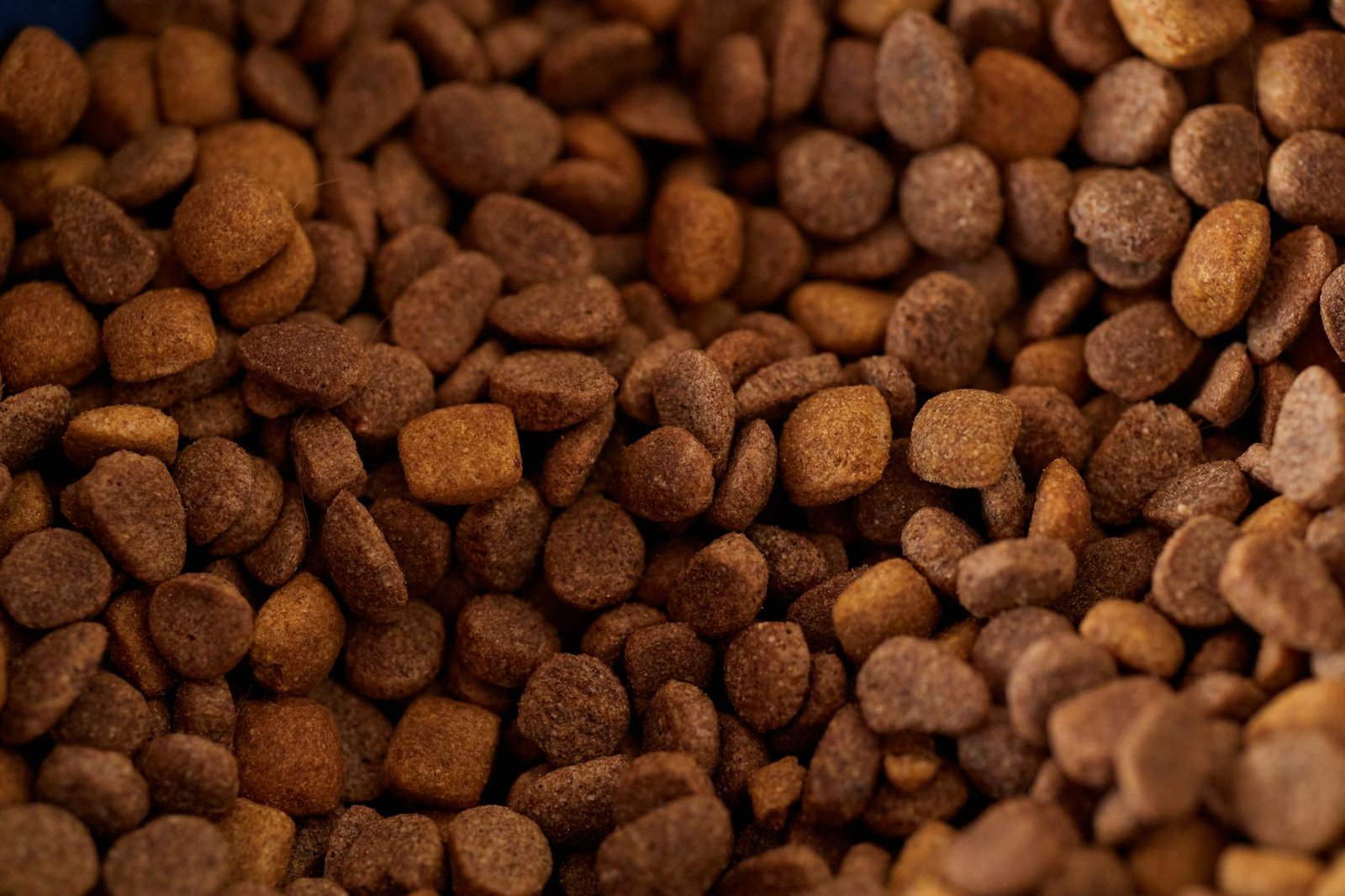
Kibble, or dry dog food, has been a staple for pet owners for decades due to its convenience, cost-effectiveness, and long shelf life. Many modern kibble brands develop their formulas scientifically to provide complete, balanced nutrition, fortified with vitamins and minerals. Many veterinarians recommend kibble, particularly those from established brands with extensive research and quality control. Studies have compared clinical health markers in dogs fed raw meat-based or extruded diets, showing varying results depending on the specific formulations (Oba et al., 2026).
What to Look for in Kibble
- AAFCO Statement: Always check for an AAFCO statement on the packaging. It indicates the food is nutritionally complete and balanced.
- Ingredient Quality: Look for named meat sources as the first ingredient and avoid excessive fillers or artificial additives. Frankly, if a kibble lists “meat meal” without specifying the animal, or has artificial dyes, we’d skip it.
- Brand Reputation: Choose reputable brands that conduct feeding trials and have a strong track record.
Comparing Raw, Fresh, and Kibble Diets
To help you work through the choices, here’s a head-to-head comparison of raw dog food, fresh dog food, and kibble:
| Feature | Raw Dog Food | Fresh Dog Food | Kibble |
|---|---|---|---|
| Processing Level | Uncooked, minimal processing | Gently cooked, minimally processed | Highly processed, extruded |
| Nutrient Retention | High (no heat degradation) | High (gentle cooking) | Moderate (some nutrient degradation from high heat) (RAMASWAMY & GHAZALA, 1990) |
| Bacterial Risk | Higher (potential for Salmonella, E. coli) (Sunarti, 2024) | Lower (cooking reduces risk) | Lowest (high heat processing) |
| Cost | Highest | High | Lowest |
| Convenience | Low (requires careful handling and storage) | Moderate (often subscription-based, refrigerated) | High (shelf-stable, easy to store) |
| Digestibility | Often highly digestible for some dogs | Generally highly digestible | Varies by formulation |
| Dental Health | Can promote better dental health (raw bones) | No direct dental benefits | Some kibbles designed for dental health |
Help From the Experts
Choosing the right diet for your dog always starts with a conversation with your veterinarian. They can assess your dog’s individual health needs, activity level, and any existing conditions to recommend the most appropriate diet. Veterinary nutritionists are also excellent resources for developing balanced homemade diets, whether raw or cooked. For more, see our guide on Raw Vs Cooked Pet Food.
FAQ Section
Q: Is raw dog food safe for all dogs?
A: While some dogs thrive on raw diets, it’s not right for every dog. Puppies, senior dogs, and immunocompromised dogs face higher risks from bacterial contamination (Riney Canine Health Center, n.d.). Always consult your vet.
Q: Can I mix raw dog food and kibble?
A: Some pet owners choose to feed a mixed diet, but you need to do it carefully. The different digestion times of raw and processed foods can sometimes cause digestive upset. If you choose to mix, consider feeding them at separate meal times.
Q: What are the signs of a good quality kibble?
A: Look for a kibble with a clear AAFCO statement, named meat as the first ingredient, and no artificial colors, flavors, or preservatives. Reputable brands often conduct feeding trials to ensure nutritional adequacy. For more, see our guide on Best Pet Health And Nutrition.
Q: Are there any recalls for fresh or raw dog food?
A: Yes, like any pet food, fresh and raw options are subject to recalls. For example, in 2019, Freshpet Select products were recalled due to temperature control issues during transportation (FDA Enforcement Report, 2019). Always stay informed about pet food recalls through official channels like the FDA.
Conclusion: Making the Best Choice for Your Canine in 2026
The raw dog food vs kibble debate is complex, with valid arguments for each side. Raw diets offer the appeal of natural, unprocessed ingredients but come with higher risks of bacterial contamination and require meticulous handling. Kibble provides convenience, affordability, and scientifically formulated nutrition, though some argue it lacks the vitality of fresh ingredients. Fresh dog food offers a compelling middle ground, balancing nutrient retention with reduced risks.
Ultimately, the “best” diet depends on your dog’s individual needs, your budget, and your comfort level with food preparation and safety. We recommend discussing your options with your veterinarian to create a tailored nutrition plan. For high-quality kibble, fresh food, or raw food options, explore trusted retailers like Chewy and Pet Supplies Plus. For more, see our guide on Best Pet Health And Nutrition.
References
- FDA Enforcement Report — FRESHPET SELECT FRESH FROM THE KITCHEN – REFRIGERA. (2019, June 17). FDA Enforcement Reports. https://www.fda.gov/safety/recalls-market-withdrawals-safety-alerts
- Oba, P. M., de Almeida, L. M., de Oliveira, L. D., & Vasconcellos, R. S. (2026). Clinical health markers in dogs fed raw meat-based or extruded diets. BMC Veterinary Research, 17(1), 1–11. https://pmc.ncbi.nlm.nih.gov/articles/PMC8174467/
- RAMASWAMY, H. S., & GHAZALA, S. (1990). CENTERPOINT NUTRIENT DEGRADATION IN HEAT PROCESSED CONDUCTION HEATING FOOD MODEL. Journal of Food Process Engineering, 13(1), 35–53. https://doi.doi.org/10.1111/j.1745-4530.1990.tb00048.x
- Riney Canine Health Center. (n.d.). Raw foods for dogs: Evidence-based advice from the Riney Canine Health Center. Cornell University College of Veterinary Medicine. https://www.vet.cornell.edu/departments-centers-and-institutes/riney-canine-health-center/canine-health-topics/raw-foods-dogs-evidence-based-advice-riney-canine-health-center
- Sunarti, L. (2026). Bacterial Contamination in Food: Sources, Risks, and Prevention Strategies. International Journal of Pathogen Research, 13(6), 324–335. https://doi.org/10.9734/ijpr/2024/v13i6324
- Wu, G. (2026). Recent Advances in the Nutrition and Metabolism of Dogs and Cats. Advances in Experimental Medicine and Biology, 1479, 1–15. https://pubmed.ncbi.nlm.nih.gov/38625522/