

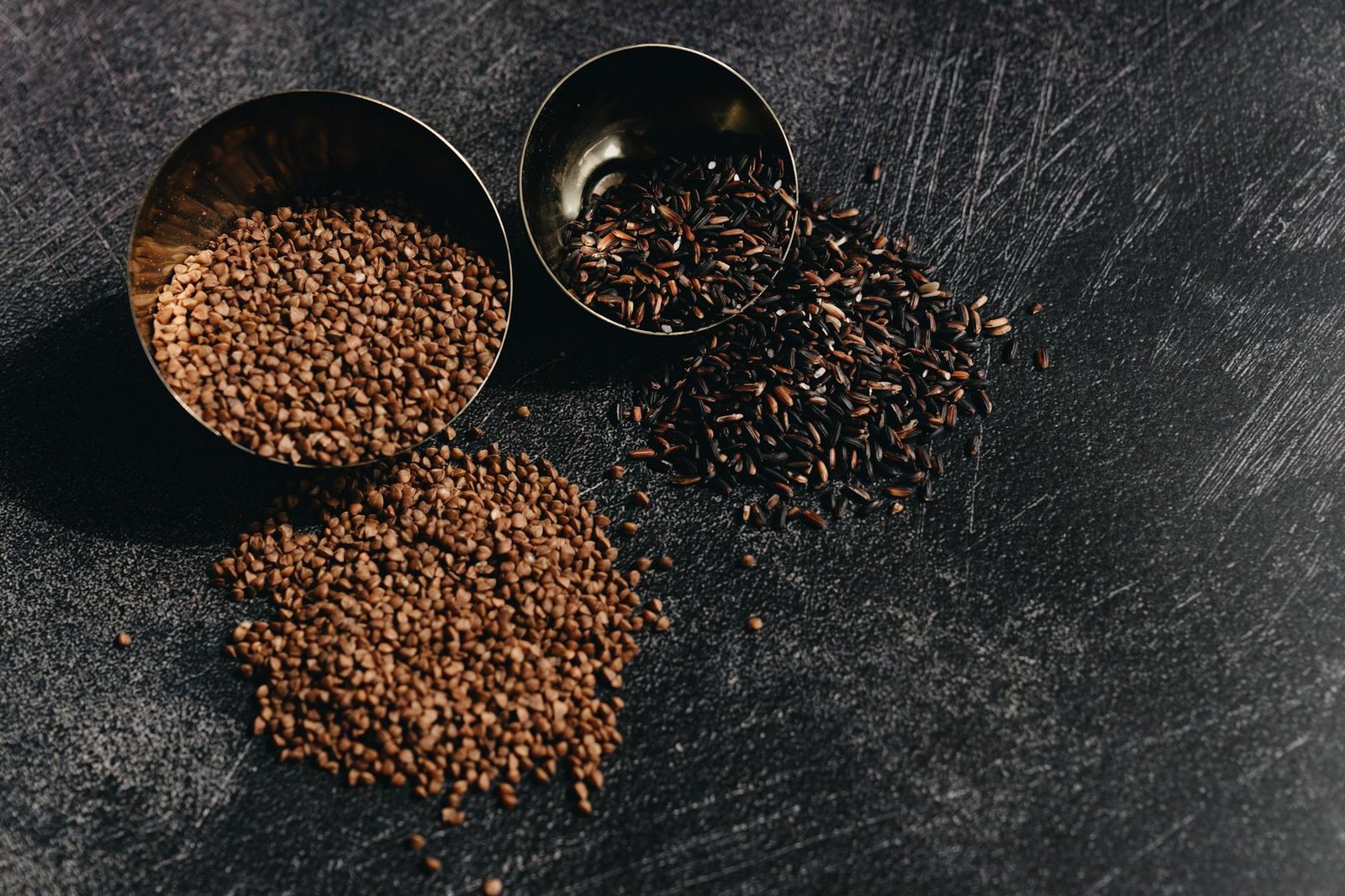
The debate over grain-free versus grain-inclusive pet food remains a significant discussion among pet owners. With a multitude of options available, discerning the nutritional implications of each can be complex. This comprehensive guide aims to demystify the science behind both grain-free and grain-inclusive diets, empowering you to make an informed decision for your furry companion’s optimal health and well-being. For more, see our guide on Best Pet Health And Nutrition.
Grain-Inclusive vs. Grain-Free Dog Food – What Should I Feed My Dog?
Deciding between a diet containing grains and one formulated without them is a pivotal choice that can significantly influence your dog’s long-term health. Traditional grains, including corn, wheat, rice, and barley, offer more than just energy; they are rich sources of complex carbohydrates, dietary fiber, and a spectrum of essential vitamins and minerals crucial for canine vitality. Conversely, grain-free formulations substitute these traditional ingredients with alternative carbohydrate sources such as potatoes, peas, lentils, and tapioca. The optimal dietary path for your dog is highly individual, contingent upon factors like their specific health requirements, daily activity level, and any diagnosed sensitivities or allergies. It’s not a one-size-fits-all answer, but rather a decision best made with a clear understanding of each diet’s profile. For more, see our guide on Best Pet Health And Nutrition Products.
Grain-Free Pet Food: What’s the Hype?
The popularity of these diets has seen a significant surge over the past decade, largely fueled by marketing narratives suggesting that grains are merely inexpensive fillers or common allergens. This perception often leads pet owners to believe that such a diet more accurately replicates the ancestral diet of wild canines and felines, which presumably consumed minimal grains. While it is true that a small percentage of pets suffer from genuine grain allergies – manifesting as adverse food reactions – these cases are statistically rare. The widespread, often unsubstantiated, adoption of these diets across the general pet population has, however, prompted considerable concern and scrutiny within the broader veterinary and animal nutrition communities.
A paramount concern that has emerged is the potential association between specific formulations and the development of dilated cardiomyopathy (DCM) in dogs. This severe heart condition can lead to heart failure and has prompted a thorough investigation by the U.S. Food and Drug Administration (FDA). The FDA’s ongoing research has observed that many of the reported DCM cases involved diets where a substantial proportion of ingredients consisted of peas, lentils, other legume seeds, and potatoes, often replacing traditional grains (FDA, n.d.). While the precise mechanisms underlying this potential link are still being elucidated, and it’s crucial to note that not all such diets have been implicated, this ongoing investigation underscores the critical importance of consulting with a qualified veterinarian before implementing any significant dietary modifications for your pet.
Grain-Free Dog Food: A Closer Look
These diets typically substitute traditional cereal grains with alternative carbohydrate sources. These commonly include:
- Potatoes and sweet potatoes
- Peas and lentils
- Tapioca
- Chickpeas
Advocates for these diets frequently emphasize their potential advantages for pets exhibiting sensitivities or diagnosed allergies to grains. Such adverse reactions can manifest through various symptoms, including chronic skin irritations, persistent digestive upset, or recurrent ear infections. In these specific, veterinarian-diagnosed instances, a grain-free formulation can indeed provide significant relief and improve a pet’s quality of life. Nevertheless, it is paramount for pet owners to understand the distinction between a confirmed grain allergy, which is rare, and a perceived sensitivity, which may stem from other dietary factors or environmental triggers.
Pros of Grain-Free Pet Food:
- May be beneficial for pets with diagnosed grain allergies.
- Often contains a higher concentration of animal protein (though this isn’t always the case).
- Can be easier to digest for some pets with specific sensitivities.
Cons of Grain-Free Pet Food:
- Potential link to dilated cardiomyopathy (DCM) in some dogs (FDA, n.d.).
- May lack certain essential nutrients if not properly formulated.
- Often more expensive than grain-inclusive options.
Should you be contemplating a diet without grains for your canine companion, it is imperative to select brands that rigorously adhere to the comprehensive nutritional guidelines established by the Association of American Feed Control Officials (AAFCO) (AAFCO, n.d.). Furthermore, a thorough consultation with your veterinarian is indispensable to ascertain that such a diet is genuinely appropriate and nutritionally complete for your pet’s unique health profile and life stage. They can help you navigate the complexities and ensure a safe and beneficial dietary transition.
Grain-Inclusive Dog Food: Understanding the Benefits
These dog foods incorporate various cereal grains like corn, wheat, barley, oats, and rice into its formulation. It’s a common misconception that these ingredients serve solely as inexpensive fillers; in reality, they provide a wealth of valuable nutrients and are integral to a well-rounded diet for the vast majority of dogs. Grains are an excellent and readily digestible source of complex carbohydrates, which fuel a dog’s energy needs. Beyond energy, they contribute significant amounts of dietary fiber, crucial for maintaining healthy digestive function and promoting satiety. Additionally, grains are packed with essential B vitamins, magnesium, and selenium, all vital for metabolic processes and overall cellular health.
Extensive research consistently demonstrates that grains are a highly beneficial and digestible component of a canine diet, supplying crucial carbohydrates and contributing significantly to overall health and vitality (Texas A&M University, n.d.). For instance, specific whole grains offer unique advantages: brown rice provides easily digestible carbohydrates and B vitamins, oats are rich in soluble fiber known to support heart health, and corn, often unfairly maligned, is a valuable source of linoleic acid, an essential fatty acid. These diverse grains collectively aid in digestion, help stabilize blood sugar, and support a healthy gut microbiome.
Pros of Grain-Inclusive Pet Food:
- Provides a balanced source of carbohydrates for energy.
- Rich in fiber, vitamins, and minerals.
- Generally more affordable than grain-free options.
- No known link to DCM when properly formulated.
Cons of Grain-Inclusive Pet Food:
- May not be suitable for pets with diagnosed grain allergies (though these are rare).
- Some lower-quality brands may use excessive fillers.
When choosing a diet with grains, prioritize brands that use whole grains and have a transparent ingredient list. Always ensure the food meets AAFCO nutritional standards.
Comparison Table: Grain-Free vs. Grain-Inclusive Pet Food (2026)
| Feature | Grain-Free Pet Food | Grain-Inclusive Pet Food |
|---|---|---|
| Carbohydrate Sources | Potatoes, peas, lentils, tapioca, chickpeas | Corn, wheat, rice, barley, oats |
| Primary Benefit | Suitable for pets with diagnosed grain allergies | Balanced nutrition, energy, fiber |
| Potential Concern | Possible link to DCM in some dogs | Rare grain allergies |
| Cost | Generally higher | Generally lower |
| Veterinary Stance | Consult vet due to DCM concerns | Generally recommended for most pets |
Should You Rotate Between Grain-Inclusive and Grain-Free Dog Food?
The concept of rotating between diets with and without grains has gained some traction among pet owners, often driven by the belief that such a practice might introduce a wider array of nutrients or proactively prevent the development of food sensitivities. However, it is important to note that robust scientific evidence supporting the tangible benefits of this rotational feeding strategy is currently limited. In fact, for many pets, frequent dietary changes can potentially disrupt their delicate digestive system, leading to gastrointestinal upset such as vomiting or diarrhea. Veterinary nutritionists generally advocate for consistency in a pet’s diet, as this helps maintain a stable and healthy gut microbiome, which is crucial for nutrient absorption and overall digestive well-being. A consistent diet also ensures a steady and predictable intake of essential nutrients.
Should you still be considering a rotational feeding approach for your pet, it is absolutely crucial to undertake this under the direct supervision and guidance of a qualified veterinarian or a board-certified veterinary nutritionist. These professionals possess the expertise to thoroughly assess the potential risks and benefits specifically tailored to your individual pet’s health status, age, and any existing conditions. They can also provide a meticulously planned and safe transition strategy, minimizing the likelihood of digestive disturbances and ensuring that your pet continues to receive complete and balanced nutrition throughout any dietary changes.
Final Thoughts on Grain-Free vs. Grain-Inclusive Pet Food
Ultimately, the choice between a grain-free and a grain-inclusive pet food diet hinges entirely on your individual pet’s unique physiological needs and a comprehensive discussion with your trusted veterinarian. It is important to reiterate that for the overwhelming majority of companion animals, a high-quality, properly formulated grain-inclusive diet delivers complete and balanced nutrition essential for their health. Grains, when selected appropriately, are far from “fillers”; they are valuable nutritional components.
Conversely, if your pet has received a definitive diagnosis of a grain allergy from a veterinarian, then a carefully selected grain-free diet becomes a necessary therapeutic approach. Even in such cases, it is imperative to remain acutely aware of the ongoing research concerning the potential link between certain grain-free diets and DCM. Therefore, when choosing any pet food, whether grain-free or grain-inclusive, always opt for reputable brands that demonstrate a commitment to comprehensive nutritional formulation, conduct rigorous feeding trials, and strictly adhere to AAFCO nutritional adequacy standards. Prioritize transparency in ingredient sourcing and manufacturing processes, and never hesitate to seek professional veterinary advice to guarantee your pet consistently receives the most appropriate and beneficial nutrition for their specific circumstances.
Explore a wide range of high-quality pet food options, both grain-free and grain-inclusive, at , , and consider veterinary consultation services from for personalized dietary advice.
Frequently Asked Questions (FAQ)
Is grain-free pet food better for all dogs?
No, grain-free pet food is not inherently better for all dogs. While it can be beneficial for dogs with diagnosed grain allergies, most dogs thrive on grain-inclusive diets that provide essential carbohydrates, fiber, and other nutrients.
What are the signs of a grain allergy in pets?
Signs of a grain allergy in pets can include chronic itching, skin rashes, ear infections, vomiting, diarrhea, and excessive paw licking. If you suspect your pet has a grain allergy, consult your veterinarian for proper diagnosis and dietary recommendations.
Do veterinarians recommend grain-free pet food?
Veterinarians generally recommend grain-inclusive diets for most pets. While they may recommend grain-free options for pets with diagnosed grain allergies, they also advise caution due to ongoing concerns about the potential link between certain grain-free diets and dilated cardiomyopathy (DCM).
What is DCM in dogs, and how is it related to grain-free food?
Dilated cardiomyopathy (DCM) is a serious heart condition that can lead to heart failure. The FDA has been investigating a potential link between certain grain-free diets, particularly those rich in peas, lentils, and potatoes, and an increased risk of DCM in some dogs. The exact mechanism is still being studied.
Related reading: How To Read Pet Food Labels.
References
- AAFCO. (n.d.). Publications. AAFCO. https://www.aafco.org/resources/publications/
- FDA. (n.d.). FDA investigation into potential link between certain diets and canine dilated cardiomyopathy. U.S. Food and Drug Administration. https://www.fda.gov/animal-veterinary/outbreaks-and-advisories/fda-investigation-potential-link-between-certain-diets-and-canine-dilated-cardiomyopathy
- Texas A&M University. (n.d.). Grains or No Grains: Addressing Pet Owner Concerns. College of Veterinary Medicine & Biomedical Sciences. https://vetmed.tamu.edu/news/pet-talk/grains-or-no-grains-addressing-pet-owner-concerns/