

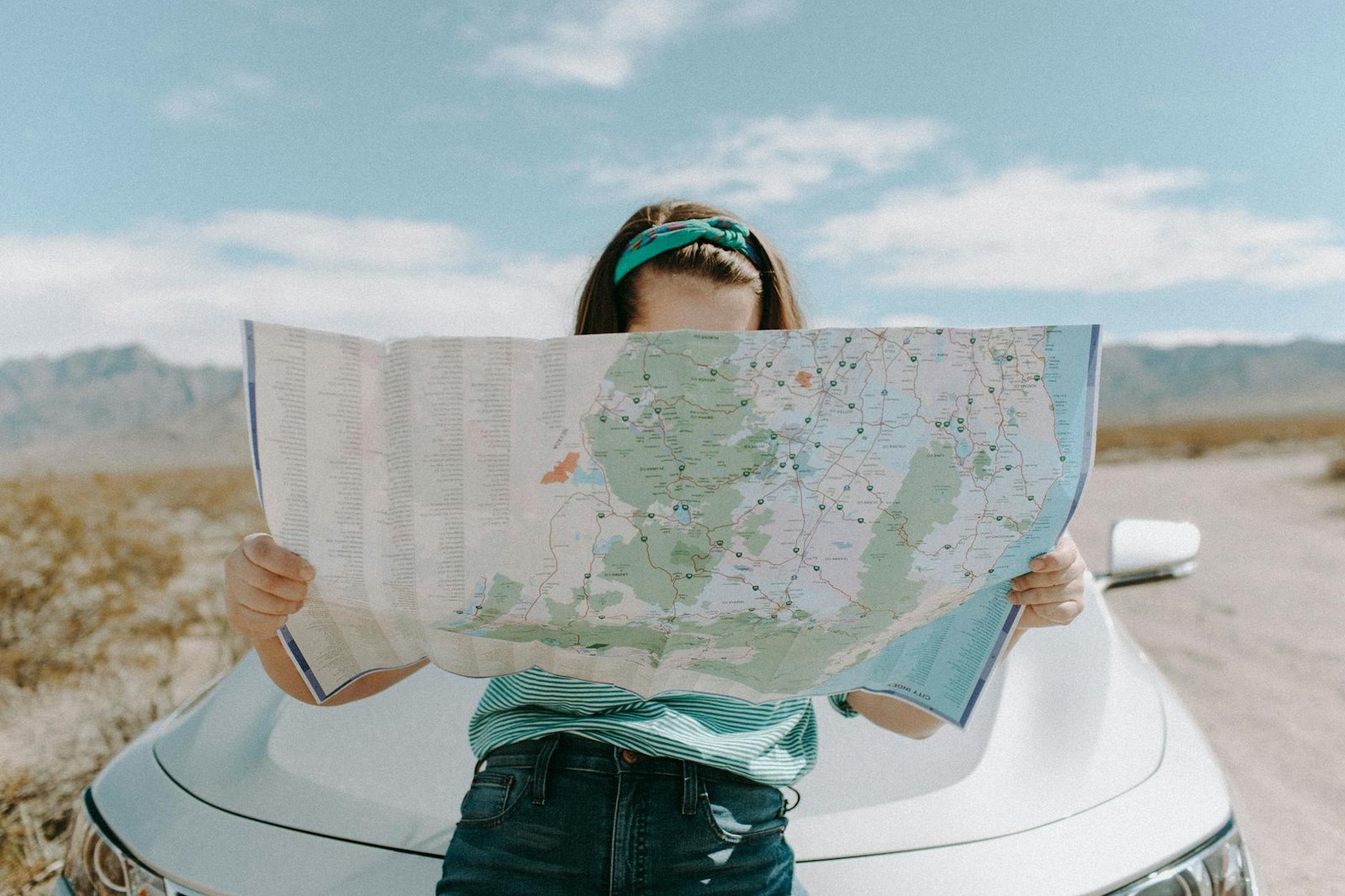
Dreaming of exploring the United States but worried about the cost? You’re not alone. Many travelers seek ways to experience the diverse landscapes and vibrant cities of the US without breaking the bank. This comprehensive guide to the best budget travel tips in US for 2026 will show you how to navigate the country affordably, from finding cheap flights and accommodation to smart spending strategies on the road. We’ll equip you with the knowledge to make your American adventure a reality, proving that incredible experiences don’t always come with a hefty price tag.
Disclaimer: This article provides general travel information and tips. For specific financial advice regarding credit cards or travel insurance, please consult with a qualified financial professional.
Finding Cheap Flights in 2026
Securing affordable airfare is often the first hurdle for budget travelers. In 2026, several strategies can help you significantly reduce flight costs for your US travels. Flexibility is your greatest asset when hunting for deals. According to the U.S. Travel Association, their Travel Price Index provides insights into airfare trends, which can help travelers plan their trips strategically (U.S. Travel Association, n.d.). Understanding these trends and being adaptable with your travel plans can unlock significant savings.
Be Flexible with Dates and Times
Flying on weekdays, especially Tuesdays and Wednesdays, or during off-peak seasons, can lead to substantial savings. Consider flying into smaller, alternative airports near your destination, as they often have lower landing fees and, consequently, cheaper flights. For instance, flying into Oakland instead of San Francisco, or Baltimore instead of Washington D.C., can sometimes cut hundreds off your airfare. Tools like and allow you to compare prices across various airlines and dates, highlighting the cheapest options. These platforms offer calendar views that make it easy to spot the most economical days to fly.
Set Price Alerts and Use Incognito Mode
Don’t just check prices once. Airfare fluctuates constantly, so setting up price alerts on flight comparison websites is crucial. You’ll be notified when fares drop for your desired routes, allowing you to snag a deal. Additionally, always search for flights in incognito or private browsing mode. Airlines and travel sites can track your searches using cookies and sometimes display higher prices if they detect repeated interest in a particular route. Clearing your browser’s cookies or using incognito mode can help ensure you’re seeing the freshest, lowest prices available.
Consider Budget Airlines and Layovers
While they might not offer all the frills, budget airlines like Spirit, Frontier, and Allegiant often have significantly lower base fares. Be mindful of their baggage fees and other add-ons, but for short trips or if you travel light, they can be a game-changer. Also, don’t shy away from flights with layovers. Direct flights are convenient, but connecting flights are almost always cheaper. A longer layover can even be an opportunity to explore a new city for a few hours without extra cost.
Budget-Friendly Accommodation in the US for 2026
Accommodation can be one of the biggest expenses for travelers. Fortunately, the US offers a range of budget-friendly options beyond traditional hotels. The hospitality sector is seeing a new wave of budget travel reshaping the U.S. hotel market, with innovative solutions for cost-conscious travelers. For example, a 2012 study in Marketing in Travel and Tourism discussed strategies for market development in the budget hotel sector (Marketing in Travel and Tourism, 2012). This shift means more diverse and affordable choices for you.
Hostels: A Social and Affordable Choice
Hostels are no longer just for backpackers. Many US cities boast modern, clean hostels with private rooms and excellent amenities, offering a social atmosphere and significant savings. They’re a fantastic way to meet other travelers and often organize free or low-cost activities. Websites like are excellent resources for finding and booking hostels, allowing you to filter by price, amenities, and reviews.
Airbnb and Vacation Rentals
For longer stays or group travel, Airbnb and other vacation rental platforms can be more economical than hotels. Look for rooms in shared homes or entire apartments outside of city centers for better deals. These often come with kitchen access, which can further reduce costs by allowing you to cook your own meals. Always factor in cleaning fees and service charges when comparing prices, as these can sometimes add a significant amount to the total.
Camping and National Parks
If you love the outdoors, camping is an incredibly budget-friendly way to explore the US. National and State Parks offer stunning campsites at a fraction of the cost of hotels. Many even have cabins or glamping options for those who prefer a bit more comfort. Consider investing in a National Parks Pass if you plan to visit multiple parks (National Park Service, n.d.), as this can save you a lot on entrance fees. Camping allows you to immerse yourself in nature and enjoy breathtaking scenery without breaking the bank.
House Sitting and Couchsurfing
For the truly adventurous and budget-conscious, house sitting and couchsurfing offer free accommodation. House sitting involves looking after someone’s home and pets while they’re away, in exchange for a free place to stay. Couchsurfing connects travelers with locals who are willing to host them for free. Both options require trust and good communication but can lead to unique cultural experiences and significant savings on accommodation. For more, see our guide on Best Budget Travel Tips.
Choosing Budget Destinations in the US
Some US destinations are inherently more expensive than others. By strategically choosing where you go, you can stretch your budget further and still have an incredible experience. The key is to research and prioritize. For more, see our guide on budget travel tips UK.
Explore Lesser-Known Cities and Regions
While iconic cities like New York and Los Angeles are tempting, they often come with higher costs for everything from food to accommodation. Consider exploring vibrant, more affordable cities like New Orleans, Philadelphia, or Denver. These cities offer rich history, culture, and delicious food without the premium price tag. Regional travel within the US can also offer unique experiences, such as exploring the charming towns of the Pacific Northwest or the historic sites of New England, often at a fraction of the cost of major tourist hubs.
Visit During Off-Peak Seasons
Just like with flights, visiting popular destinations during their off-peak seasons can lead to significant savings on accommodation and activities. For example, visiting Florida in the late spring or early fall can be much cheaper than during the winter high season, and you’ll often encounter fewer crowds. Similarly, visiting ski towns in the summer can offer beautiful scenery and outdoor activities at a lower cost than during peak winter months.
Leverage Free Attractions and Activities
Many US cities and natural areas offer a wealth of free attractions. Think national monuments, public parks, free walking tours, and museums with free admission days. Research your destination in advance to find these hidden gems. Hiking in national forests, relaxing on public beaches, and exploring local markets can all be free or very low-cost activities that provide authentic experiences.
Avoiding Foreign Transaction Fees in 2026
When traveling within the US, foreign transaction fees might not seem relevant, but if you’re using a credit card issued by a non-US bank, or if you’re an international visitor, these fees can quickly add up. Even for US residents, certain credit cards charge foreign transaction fees when used internationally, which can be a concern for cross-border travel or online purchases from international merchants. A Carthage College news article from 2026 highlighted a professor giving expert financial advice on international credit card use (Carthage College, 2023). Being aware of these fees and planning accordingly can save you a significant amount of money.
Use Credit Cards with No Foreign Transaction Fees
Many credit cards specifically cater to travelers by waiving foreign transaction fees. Research and apply for one of these cards before your trip. This can save you 1-3% on every purchase made outside your home country or with an international merchant. Some popular options include the Chase Sapphire Preferred, Capital One Venture, and various cards from American Express. Always read the fine print to ensure there are no hidden fees.
Carry Local Currency for Small Purchases
While credit cards are widely accepted, it’s always wise to carry some cash for small purchases, tips, or in areas where card payments might not be available. Exchange currency at your bank before you travel to get better rates than at airport kiosks or currency exchange booths, which often have unfavorable exchange rates and high fees. Having a small amount of cash on hand can be incredibly convenient and prevent you from relying solely on cards that might incur fees.
Utilize Travel-Friendly Debit Cards
Some debit cards offer fee-free international ATM withdrawals and no foreign transaction fees. These can be a great alternative to credit cards for accessing cash while traveling. Research banks that offer these benefits, such as Charles Schwab Bank or Revolut, before your trip. Always be mindful of ATM fees charged by the ATM operator itself, even if your bank doesn’t charge a fee.
Saving Up for Travel in 2026
The best budget travel tips in US also involve smart financial planning before you even leave. Saving money specifically for your trip can alleviate stress and allow for more enjoyable experiences. It’s about making conscious choices and sticking to a plan. For more, see our guide on budget travel tips Canada.
Create a Dedicated Travel Fund
Set up a separate savings account specifically for your travel fund. This makes it easier to track your progress and avoid dipping into your travel savings for other expenses. Automate transfers from your checking account each payday to consistently build your savings. Even small, regular contributions can add up significantly over time, making your dream trip a reality.
Track Your Expenses and Cut Unnecessary Spending
Before your trip, meticulously track your daily expenses to identify areas where you can cut back. Little sacrifices, like making coffee at home instead of buying it daily, cooking more meals, or canceling unused subscriptions, can free up significant funds for your travel budget. Every dollar saved is a dollar you can spend on experiences during your trip. For more, see our guide on Best Budget Travel Tips.
Sell Unused Items and Take on Side Gigs
Declutter your home and sell items you no longer need on platforms like eBay, Facebook Marketplace, or local consignment shops. The extra cash can go directly into your travel fund. Consider taking on a temporary side gig, like freelancing, dog walking, or ride-sharing, to boost your savings even further. Every bit of extra income can accelerate your travel savings goals.
The Ultimate Budget USA Road Trip: A 2026 Guide
A road trip is an quintessential American experience, and it can be surprisingly affordable with the right planning. Here’s how to plan an epic budget USA road trip in 2026, ensuring you see the sights without overspending. For more, see our guide on budget travel tips US.
Plan Your Route Strategically
Map out your route in advance, considering fuel stops, overnight stays, and attractions. Use apps like Google Maps or Waze to estimate driving times and distances, and to find the cheapest gas prices along your route. Look for free or low-cost attractions, such as national monuments, scenic drives, and free museums. Planning your route to minimize backtracking and maximize efficiency will save you time and money on fuel.
Pack Smart and Cook Your Own Meals
Packing a cooler with snacks, drinks, and ingredients for simple meals can save you a fortune on food. Many campsites and even some budget accommodations offer cooking facilities. Consider bringing a portable stove for roadside cooking, allowing you to prepare hot meals and save on restaurant expenses. Bringing your own reusable water bottle and refilling it often will also cut down on costs and reduce plastic waste. For more, see our guide on budget travel tips Canada.
Consider Carpooling or RV Rental
If you’re traveling with friends, carpooling can significantly reduce fuel costs and split other expenses like accommodation. Alternatively, renting an RV can combine accommodation and transportation costs, offering flexibility and comfort, especially for longer trips. RVs allow you to cook your own meals, sleep in various locations, and avoid hotel expenses. Look for RV rental deals during off-peak seasons for the best rates.
Utilize Free Camping and Boondocking
Beyond established campgrounds, many areas in the US offer free camping, often referred to as boondocking or dispersed camping. This is common on public lands managed by the Bureau of Land Management (BLM) and National Forests. Websites and apps like iOverlander can help you find these free spots. This option requires more self-sufficiency but can drastically reduce your accommodation costs on a road trip.
Comparison of Budget Travel Strategies
To help you decide which budget travel strategies are best for your 2026 US adventure, here’s a comparison: For more, see our guide on Best Budget Travel Tips.
| Strategy | Pros | Cons | Best For |
|---|---|---|---|
| Hostel Stays | Very affordable, social atmosphere, often central locations, opportunities to meet other travelers. | Less privacy, shared facilities, can be noisy, not ideal for families with young children. | Solo travelers, social travelers, short stays, those looking for a vibrant atmosphere. |
| Airbnb/Vacation Rentals | More space and privacy, kitchen access, good for groups and families, can offer unique local experiences. | Cleaning fees, less consistent quality, can be far from attractions, potential for less direct interaction with locals. | Families, groups, longer stays, those who prefer cooking and a home-like environment. |
| Camping/National Parks | Extremely affordable, close to nature, unique experiences, access to stunning landscapes. | Requires camping gear, weather dependent, limited amenities, can be physically demanding. | Outdoor enthusiasts, adventurous travelers, those with gear, nature lovers. |
| Road Tripping | Flexible itinerary, see more of the country, can be very cheap with planning, sense of freedom. | Long driving hours, fuel costs, vehicle maintenance, can be tiring for the driver. | Adventurous travelers, groups, those who enjoy driving and exploring diverse regions. |
| House Sitting/Couchsurfing | Free accommodation, unique cultural immersion, opportunities to live like a local. | Requires trust and flexibility, can be difficult to find suitable matches, less privacy. | Solo travelers, flexible travelers, those seeking authentic local experiences. |
FAQ: Your Top Questions About Budget Travel in the US Answered for 2026
Q: What is the cheapest time of year to travel in the US in 2026?
A: Generally, the cheapest times to travel in the US are during the shoulder seasons (spring and fall) and the off-peak months of January, February, and early December. Avoid major holidays and summer if you’re on a strict budget, as prices for flights and accommodation tend to be highest during these periods. Flexibility with your travel dates is key to finding the best deals. For more, see our guide on budget travel tips US.
Q: Are there any free attractions in major US cities?
A: Absolutely! Many major US cities offer a wealth of free attractions, including parks, public gardens, free walking tours, and museums with free admission days. For example, the Smithsonian museums in Washington D.C. are all free to enter. Research your destination in advance to find these hidden gems and plan your itinerary around them to save on entertainment costs.
Q: How can I save money on food while traveling in the US?
A: To save on food, prioritize cooking your own meals if you have access to a kitchen. Pack snacks and drinks for the day, utilize grocery stores for ingredients, and look for budget-friendly eateries like food trucks, local diners, or ethnic restaurants. Avoid tourist trap restaurants, which often have inflated prices. Picnics in parks are also a great way to enjoy a meal affordably. For more, see our guide on budget travel tips UK.
Q: Is travel insurance necessary for budget travel in the US?
A: While not always mandatory, travel insurance is highly recommended, even for domestic travel. It can protect you from unexpected medical emergencies, trip cancellations, lost luggage, or other unforeseen circumstances that can quickly derail a budget trip and lead to significant out-of-pocket expenses. Consider for comprehensive coverage that fits your needs and budget. It’s a small investment for peace of mind. For more, see our guide on Best Budget Travel Tips.
Q: What are some unexpected costs to consider for budget travel in the US?
A: Beyond flights and accommodation, consider costs like transportation within cities (public transit, ride-shares), entrance fees for attractions not covered by passes, tips for service staff (which are customary in the US), and unexpected souvenirs. Also, factor in the cost of data plans for your phone, especially if you’re an international traveler. Planning for these smaller expenses can prevent budget surprises. For more, see our guide on budget travel tips US.
Conclusion: Your 2026 US Adventure Awaits!
Traveling the United States on a budget in 2026 is not only possible but can also be incredibly rewarding. By implementing these smart strategies for flights, accommodation, destination choices, and spending, you can experience the beauty and diversity of the US without overspending. From exploring national parks to vibrant cities, your budget-friendly American adventure is within reach. Start planning today and make your travel dreams a reality! For more, see our guide on budget travel tips UK.
References
- Carthage College. (2023, April 20). Prof. Cassie Lau gives expert financial advice on international credit card use. https://www.carthage.edu/live/news/25175-prof-cassie-lau-gives-expert-financial-advice-on
- Marketing in Travel and Tourism. (2012). Travel Inn: a strategy for market development, market leadership and branding in the budget hotel sector. https://doi.org/10.4324/9780080511108-40
- National Park Service. (n.d.). America the Beautiful—The National Parks and Federal Recreational Lands Pass Series. https://www.nps.gov/planyourvisit/passes.htm
- U.S. Travel Association. (n.d.). Travel Price Index. https://www.ustravel.org/research/travel-price-index