

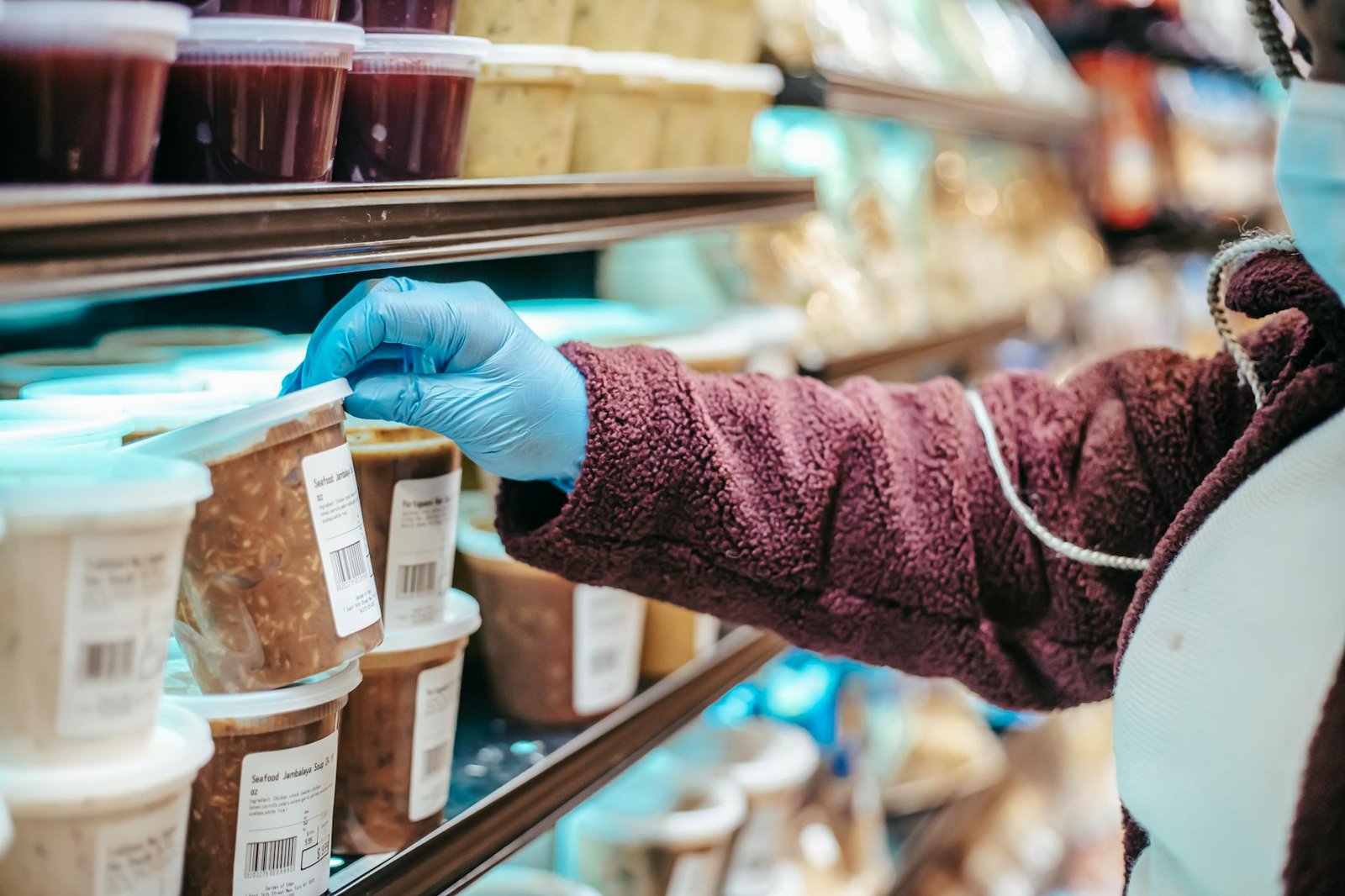
Understanding what goes into your pet’s bowl is crucial for their health and longevity. In 2026, with an ever-expanding market of pet food options, deciphering complex labels can feel overwhelming. This guide will break down how to read pet food labels, ensuring you can confidently choose the best nutrition for your furry friend. We’ll cover everything from ingredient lists to nutritional guarantees, helping you become an informed pet parent. For more, see our guide on Best Pet Health And Nutrition.
How to Understand a Dog or Cat Food Label
Pet food labels are regulated documents designed to provide consumers with essential information about the product. In the United States, the Food and Drug Administration (FDA) and the Association of American Feed Control Officials (AAFCO) set the standards for these labels (FDA, n.d.). While the FDA provides federal oversight, AAFCO develops model regulations that most states adopt, ensuring a degree of uniformity across the industry (AAFCO, n.d.).
Key Sections of a Pet Food Label
- Product Name: This can give you initial clues about the primary ingredients. Terms like “beef dinner” or “chicken formula” have specific AAFCO definitions regarding the percentage of the named ingredient.
- Net Weight: Indicates the quantity of food in the package.
- Manufacturer’s Name and Address: Essential for contacting the company with questions or concerns.
- Ingredient List: This is where you’ll find all the ingredients, listed in descending order by weight.
- Guaranteed Analysis: Provides minimum percentages of crude protein and crude fat, and maximum percentages of crude fiber and moisture.
- Nutritional Adequacy Statement: This crucial statement confirms if the food is “complete and balanced” for a specific life stage (e.g., growth, maintenance, all life stages).
- Feeding Guidelines: Recommendations for how much food to give your pet based on their weight and activity level.
- Calorie Statement: Often expressed in kilocalories per kilogram (kcal/kg) and per cup or can.
Understanding Dog Food Ingredients
The ingredient list is arguably the most important section of a pet food label. Ingredients are listed by weight, meaning the first few ingredients make up the bulk of the food. Here’s what to look for:
Protein Sources
High-quality animal protein should be among the first ingredients. Look for named meat sources like “chicken,” “beef,” “lamb,” or “salmon.” Meat meals (e.g., “chicken meal,” “lamb meal”) are also excellent protein sources, as the water has been removed, making them more concentrated. By-products can be nutritious, but ensure they are from a named animal source (e.g., “chicken by-product meal”) rather than generic “meat by-products.”
Carbohydrates
Carbohydrates provide energy. Common sources include rice, barley, oats, potatoes, and sweet potatoes. Whole grains are generally preferred over refined grains. Some pet foods utilize legumes like peas and lentils as carbohydrate sources.
Fats
Fats are vital for energy, healthy skin and coat, and nutrient absorption. Look for named fat sources such as “chicken fat,” “salmon oil,” or “flaxseed.” Omega-3 and omega-6 fatty acids are important for overall health. For more, see our guide on Best Pet Health And Nutrition Products.
Vitamins and Minerals
These are typically listed towards the end of the ingredient list. A complete and balanced pet food will include a range of essential vitamins and minerals to support your pet’s health.
Preservatives and Additives
Natural preservatives like mixed tocopherols (Vitamin E) and ascorbic acid (Vitamin C) are preferable. Artificial colors, flavors, and preservatives are generally best avoided.
Ingredients To Avoid in Dog Food
While many ingredients are beneficial, some are best limited or avoided entirely. Being aware of these can help you make healthier choices for your pet.
- Generic Meat Meals: “Meat meal” or “bone meal” without a specified animal source can be of questionable quality.
- Artificial Colors, Flavors, and Preservatives: These offer no nutritional benefit and can sometimes cause sensitivities in pets. Examples include BHA, BHT, ethoxyquin, and artificial dyes.
- Excessive Fillers: While some carbohydrates are necessary, an abundance of low-nutritional-value fillers like corn gluten meal or wheat middlings as primary ingredients can indicate a lower quality food.
- High Levels of Sugar: Ingredients like corn syrup or sucrose are unnecessary and can contribute to weight gain and dental issues.
- Propylene Glycol: This ingredient is sometimes used as a humectant in soft-moist pet foods, but it’s best avoided.
How To Read a Dog Food Label: A Step-by-Step Approach
Navigating a pet food label can be simplified with a systematic approach. Here’s how to break it down:
- Check the Product Name: Does it align with your expectations? A “chicken” formula should have chicken as a prominent ingredient.
- Locate the Nutritional Adequacy Statement: This is your first stop for confirming if the food meets your pet’s needs. Look for “complete and balanced” for the appropriate life stage.
- Review the Ingredient List: Focus on the first five to seven ingredients. Are they high-quality protein sources? Are there any ingredients you want to avoid?
- Examine the Guaranteed Analysis: Compare the crude protein and fat percentages to your pet’s dietary requirements. Remember, these are minimums and maximums.
- Consider the Calorie Content: This helps you manage your pet’s weight and portion sizes.
- Read the Feeding Guidelines: Use these as a starting point, but adjust based on your pet’s individual needs.
For a deeper dive into specific brands and their offerings, consider exploring options from trusted retailers like or .
How To Choose the Right Dog Food
Choosing the right dog food involves more than just reading labels; it requires considering your dog’s individual needs, life stage, and any specific health concerns. Here’s a comparison of common pet food types:
Pet Food Type Comparison
| Food Type | Pros | Cons | Best For |
|---|---|---|---|
| Dry Kibble | Convenient, cost-effective, good for dental health, long shelf life. | Lower moisture content, can be less palatable for some pets. | Most adult dogs, budget-conscious owners. |
| Wet/Canned Food | High moisture content (good for hydration), highly palatable, often richer in protein. | More expensive, shorter shelf life once opened, can contribute to dental issues if not supplemented with dental care. | Picky eaters, dogs needing extra hydration, senior dogs. |
| Fresh/Human-Grade | Highly palatable, often made with whole, recognizable ingredients, minimal processing. | Most expensive, shorter shelf life, requires refrigeration. | Dogs with sensitivities, owners prioritizing whole ingredients. |
| Raw Food | Mimics ancestral diet, can improve coat and energy levels (advocates claim). | Risk of bacterial contamination, requires careful handling, not suitable for all pets, can be nutritionally unbalanced if not prepared correctly. | Owners committed to raw feeding, under veterinary guidance. |
Factors to Consider When Choosing
- Life Stage: Puppies, adult dogs, and senior dogs have different nutritional requirements. Ensure the food is formulated for their specific life stage.
- Breed Size: Large breed puppies, for example, need carefully controlled calcium and phosphorus levels to prevent skeletal issues.
- Activity Level: Highly active dogs require more calories and protein than sedentary ones.
- Health Conditions: If your dog has allergies, sensitivities, or other medical conditions, consult your veterinarian for specific dietary recommendations. Veterinary diets, such as those offered through services like , can be tailored to specific health needs.
- Budget: Pet food costs vary widely. Determine what you can afford while still providing quality nutrition.
Dog Food Ingredients FAQs
Q: What does “human-grade” mean on a pet food label?
A: “Human-grade” on a pet food label means that all ingredients in the product are fit for human consumption and the product was manufactured in a facility that meets human food safety standards. This term is regulated by AAFCO and implies a higher standard of ingredient quality and processing (AAFCO, n.d.).
Q: Are grain-free diets better for dogs?
A: Not necessarily. While some dogs may have grain sensitivities, there is no scientific evidence that grain-free diets are inherently healthier for all dogs. In fact, some studies have investigated a potential link between certain grain-free diets and dilated cardiomyopathy (DCM) in dogs (Freeman et al., 2026). Always consult your veterinarian before making significant dietary changes.
Q: What is the “Guaranteed Analysis” and why is it important?
A: The Guaranteed Analysis lists the minimum percentages of crude protein and crude fat, and maximum percentages of crude fiber and moisture. It’s important because it provides a baseline for the nutrient content, allowing you to compare different foods. However, it’s important to remember these are “as fed” values and don’t account for moisture content, so comparing on a dry matter basis is often more accurate.
Q: How can I tell if a pet food has been recalled?
A: The FDA maintains a public database of pet food recalls and safety alerts (FDA, n.d.). You can also sign up for email alerts from the FDA or check reputable pet news sources. For example, in 2019, Freshpet Select dog food was recalled due to temperature control issues during transportation (FDA Enforcement Report, 2019).
Conclusion
Mastering how to read pet food labels empowers you to make informed decisions about your pet’s diet. By understanding the product name, ingredient list, guaranteed analysis, and nutritional adequacy statement, you can ensure your dog or cat receives the balanced nutrition they need to thrive in 2026 and beyond. Always consult with your veterinarian for personalized dietary advice, especially if your pet has specific health concerns. Start exploring high-quality pet food options today at or and give your pet the gift of optimal health.
Related reading: Budget Friendly Pet Food.
References
- AAFCO. (n.d.). Publications. https://www.aafco.org/resources/publications/
- AAFCO. (n.d.). Guides and Manuals. https://www.aafco.org/resources/guides-and-manuals/
- FDA. (n.d.). Animal Food Labeling and Pet Food Claims. https://www.fda.gov/animal-veterinary/animal-foods-feeds/animal-food-labeling-and-pet-food-claims
- FDA. (n.d.). Recalls, Market Withdrawals, & Safety Alerts. https://www.fda.gov/safety/recalls-market-withdrawals-safety-alerts
- FDA Enforcement Report. (2019, June 17). FRESHPET SELECT FRESH FROM THE KITCHEN – REFRIGERA, 20190617. https://www.fda.gov/safety/recalls-market-withdrawals-safety-alerts
- Freeman, L. M., Rush, J. E., & Oyama, M. A. (2026). Diet-associated dilated cardiomyopathy in dogs: What do we know? Journal of the American Veterinary Medical Association, 261(1), 101-109. https://pmc.ncbi.nlm.nih.gov/articles/PMC12897047/
[…] Related reading: how to read pet food labels. […]
[…] Related reading: how to read pet food labels. […]
[…] Look for labels that explicitly state “large breed puppy formula” or “giant breed puppy formula.” Brands like Royal Canin Large Breed Puppy or Hill’s Science Diet Large Breed Puppy are excellent choices. For more, see our guide on how to read pet food labels. […]
[…] Related reading: How To Read Pet Food Labels. […]