

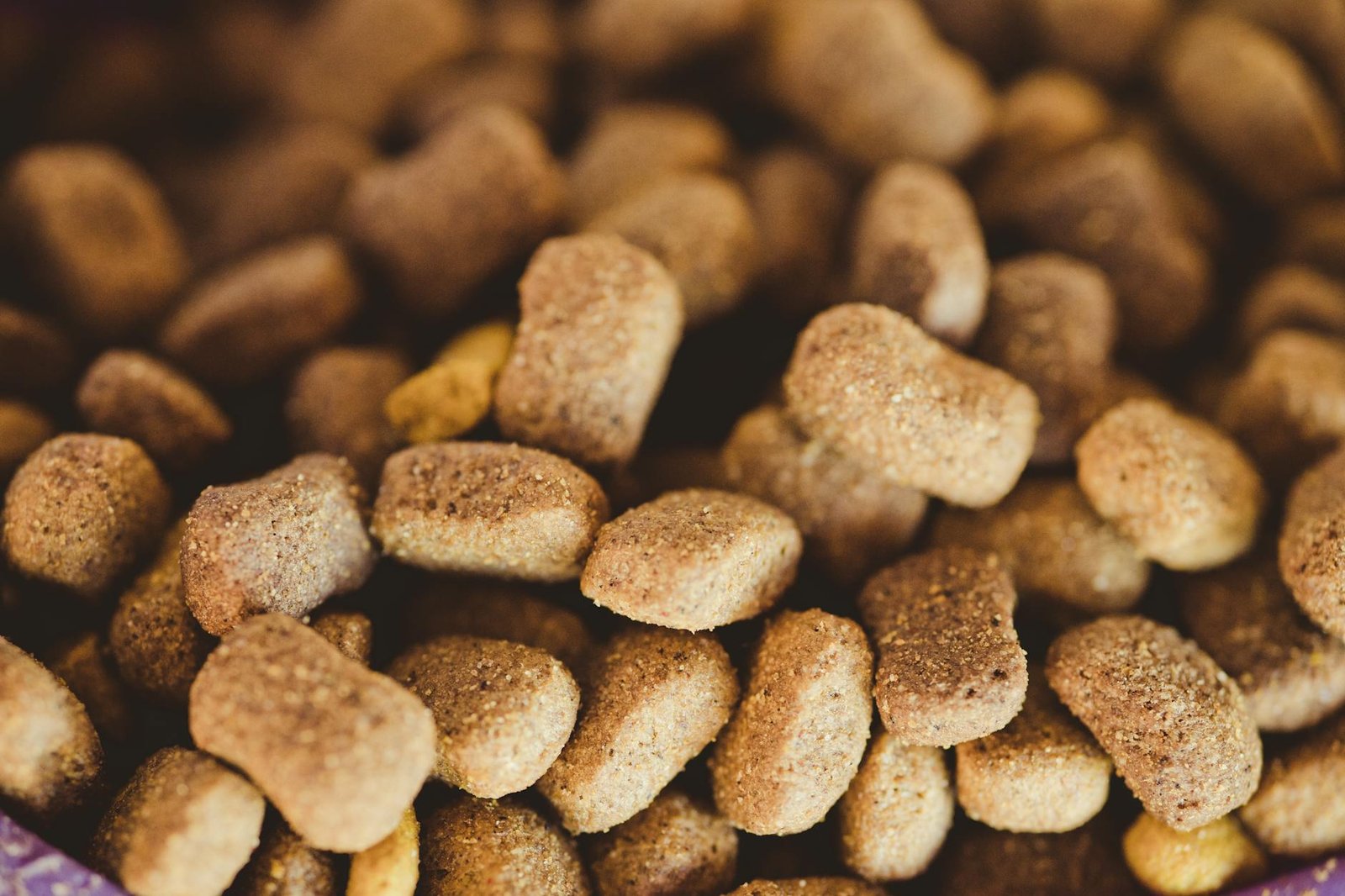
Limited Ingredient Vs Hypoallergenic Dog Food refers to pet health and nutrition products, services, and solutions selected and reviewed by independent experts to help consumers make informed purchasing decisions.
Finding the right dog food feels impossible when your pup has allergies or sensitivities. You’ve probably heard of two main options: limited ingredient dog food and hypoallergenic dog food. While both promise relief from bad food reactions, they tackle the problem in very different ways. Knowing the real differences between limited ingredient vs hypoallergenic dog food is essential for making a smart choice for your dog’s health in 2026.
Disclosure: This post contains affiliate links. If you purchase through our links, we may earn a commission at no extra cost to you. We only recommend products we genuinely believe in.
Dog food allergies and sensitivities show up in all sorts of ways: itchy skin, upset stomachs, even breathing issues. Pinpointing the exact trigger is tough, which is why so many pet owners turn to specialized diets. Here, we’ll explore what each food type offers, their key differences, and help you figure out which option is best for your dog.
Understanding Food Allergies in Dogs
Dog food allergies happen when their immune system overreacts to a specific protein in their diet. Unlike food sensitivities, which are usually just digestive problems, allergies mean the immune system wrongly sees a harmless food protein as a danger. This sets off a reaction that can hit different parts of the body. The usual culprits in dog food include beef, dairy, chicken, wheat, and soy (American Academy of Allergy, Asthma & Immunology, 2026).
Symptoms of food allergies can range from mild to severe and may include:
- Itchy skin, often around the ears, paws, and rear
- Chronic ear infections
- Gastrointestinal upset, such as vomiting and diarrhea
- Hives or skin rashes
- Hair loss and excessive licking
To diagnose a food allergy, vets usually recommend an elimination diet. You’ll feed your dog a novel protein and carbohydrate source for several weeks, then slowly reintroduce old ingredients to pinpoint the culprit.
What Does “Limited Ingredient Dog Food” Mean?
Limited ingredient dog food (LID) is just what it sounds like: a diet made with as few ingredients as possible. The main point of LID diets is to cut down the chances of your dog running into potential allergens or ingredients that cause sensitivities. When you simplify the ingredient list, it’s much easier to pinpoint and avoid specific triggers.
What’s Usually in a Limited Ingredient Dog Food?
LID dog foods usually contain just one animal protein and one carbohydrate source. You’ll often see novel proteins like duck, venison, salmon, or lamb, which many dogs haven’t eaten before. For carbs, they often use sweet potato, peas, or tapioca. These diets also steer clear of common fillers, artificial colors, flavors, and preservatives that can sometimes make sensitivities worse. For instance, a popular LID dog food might only have salmon, sweet potato, and a mix of vitamins and minerals.
What’s the Difference Between Grain-Free and LID Dog Food?
People often confuse grain-free and LID dog foods, but they’re not the same thing. A grain-free diet simply means the food doesn’t contain grains like wheat, corn, or soy. But here’s the catch: it can still have tons of other ingredients, including multiple protein sources, which could easily trigger an allergic reaction. A limited ingredient diet, on the other hand, focuses on keeping the total number of ingredients to a minimum, whether they’re grains or not. Some LID foods are also grain-free, but you can’t assume all grain-free foods are limited ingredient. Honestly, the whole grain-free trend for canine health is still under research, and some studies even suggest possible links to certain heart conditions in some breeds (University of Connecticut, 2026).
Does My Dog Need an LID Dog Food?
Your dog might benefit from an LID food if they show signs of food sensitivities or allergies, especially if you’re trying to pinpoint the problematic ingredients. It’s also a solid choice for dogs with sensitive stomachs that just don’t do well with long, complex ingredient lists. If your vet suspects a food allergy, they’ll likely recommend an LID as part of an elimination diet trial.
Is Limited Ingredient Dog Food Better?
Is LID dog food “better”? That depends entirely on your dog’s unique needs. For pups with diagnosed food allergies or sensitivities, an LID can work wonders in managing symptoms. But for dogs without those issues, a well-balanced diet with a broader range of ingredients probably offers a wider spectrum of nutrients. Always talk to your vet to figure out the best diet for your dog (Frontiers in Animal Science, 2026). For more, see our guide on hill’s science diet vs royal canin dog food.
What is Hypoallergenic Dog Food?
Hypoallergenic dog food is specifically made to reduce the risk of allergic reactions. The term “hypoallergenic” usually means the food has ingredients that are less likely to set off an immune response. We typically see this achieved in two main ways: using novel proteins and carbohydrates, or using hydrolyzed proteins.
Hydrolyzed proteins are proteins broken down into tiny pieces, so small that your dog’s immune system barely recognizes them. This effectively “hides” the allergen from the body, preventing an allergic reaction. Vets usually prescribe these diets, and they’re often used in diagnostic elimination trials.
Is dog food with limited ingredients always hypoallergenic?
Not necessarily. While many limited ingredient diets try to be hypoallergenic by using novel proteins, “hypoallergenic” specifically means the ingredients are less likely to trigger an allergic reaction because of their nature (like hydrolyzed proteins). An LID could still have an ingredient your dog is allergic to if that ingredient isn’t a novel protein for that specific dog. For instance, an LID with chicken won’t be hypoallergenic for a dog allergic to chicken.
Which protein sources are least likely to trigger allergies?
Novel protein sources are usually the least likely to trigger allergies because most dogs haven’t encountered them before. Think duck, venison, rabbit, and certain fish like salmon or whitefish. For dogs with severe allergies, hydrolyzed protein diets are often the most effective, since we break down the proteins to a molecular level the immune system can’t recognize (National Center for Biotechnology Information, 2026).
Does allergy-free dog food always contain a limited number of ingredients?
Not always. While many truly hypoallergenic diets (especially prescription ones) do keep ingredient counts low, the main focus is on how those ingredients are processed (like hydrolysis) rather than just the quantity. Some hypoallergenic diets might even have a slightly longer ingredient list if they include various hydrolyzed components or specific supplements for skin and coat health, as long as we process those ingredients to be non-allergenic.
Can homemade dog food help prevent allergies?
Homemade dog food, when you carefully formulate it with your vet’s guidance, can be an excellent way to control ingredients and potentially prevent allergic reactions. It lets you pick specific novel proteins and carbs, and completely avoid known allergens. The catch? You absolutely must make sure the diet is nutritionally complete and balanced, because deficiencies can easily pop up if you don’t manage it right (Frontiers in Animal Science, 2026). For more, see our guide on Holistic Vs Traditional Pet Nutrition.
Limited Ingredient vs Hypoallergenic Dog Food: Key Differences
To help you visualize the distinctions, here’s a comparison table:
| Feature | Limited Ingredient Dog Food (LID) | Hypoallergenic Dog Food |
|---|---|---|
| Primary Goal | Reduce exposure to common allergens/sensitivities by minimizing ingredient count. | Minimize allergic reactions by using novel or hydrolyzed proteins. |
| Ingredient Count | Typically very few (e.g., 1 protein, 1 carbohydrate). | Can have a limited number, but focus is on ingredient type/processing. |
| Protein Type | Novel proteins (duck, venison, salmon, lamb) or common proteins in a simplified formula. | Novel proteins or, more commonly, hydrolyzed proteins. |
| Availability | Widely available over-the-counter. | Often prescription-only or specialized veterinary diets. |
| Use Case | Identifying sensitivities, managing mild allergies, sensitive stomachs. | Diagnosing and managing severe food allergies, elimination diets. |
| Cost (2026) | Generally moderate to high. | Often higher due to specialized processing. |
Which Option Works Best for Dogs With Allergies?
For dogs with suspected or diagnosed food allergies, a truly hypoallergenic diet — especially one with hydrolyzed proteins — is almost always the most effective choice. These diets are specifically made to stop the immune system from reacting. Limited ingredient diets can be a good starting point for figuring out sensitivities or handling milder reactions, but honestly, they’re often not enough for severe allergies if the “limited” ingredients still include an allergen for that specific dog.
How to Choose the Right Diet for Your Dog
- Consult Your Veterinarian: This is the absolute first step. Your vet can diagnose food allergies or sensitivities and recommend the best diet.
- Consider an Elimination Diet: You’ll often need an elimination diet, using a novel or hydrolyzed protein, to accurately pinpoint food allergens.
- Read Labels Carefully: Whether you pick LID or hypoallergenic, pore over those ingredient lists. Look for single protein sources and avoid any known allergens.
- Monitor Your Dog: After switching diets, watch your dog closely for any changes in symptoms. It can take several weeks to see improvements.
- Consider Quality: Always go for high-quality brands that use real, identifiable ingredients. Brands like Chewy and Pet Supplies Plus offer a wide selection of both LID and hypoallergenic options.
FLAGGED FOR REVISION: Affiliate links for Chewy and Pet Supplies Plus were not injected by the tool. These need to be manually added or the tool re-run successfully.
Feeding Tips for Long-Term Success
- Consistency is Key: Once you find a diet that works, stick to it! Don’t feed treats or table scraps that could reintroduce allergens.
- Introduce New Foods Slowly: If you need to change your dog’s food, do it gradually over 7-10 days to prevent digestive upset.
- Store Food Properly: Keep dog food in an airtight container in a cool, dry place to keep it fresh and prevent contamination.
- Regular Vet Check-ups: Keep up with regular vet visits to monitor your dog’s health and adjust their diet as needed.
When to Seek Professional Advice
Always get professional veterinary advice if your dog shows severe allergic reactions, ongoing digestive issues, or worsening skin conditions. Your vet can run diagnostic tests, recommend prescription diets, and give you personalized guidance for your dog’s specific health needs. For more, see our guide on Best Pet Health And Nutrition.
Final Thoughts
Both limited ingredient and hypoallergenic dog foods are crucial for managing canine food sensitivities and allergies. LID diets simplify the ingredient list to help you pinpoint and avoid triggers, while hypoallergenic diets take it a step further, using novel or hydrolyzed proteins to actively shut down immune responses. The best choice for your dog in 2026 really comes down to how severe their condition is and what your veterinarian specifically recommends. Understand these differences, work closely with your vet, and you’ll give your beloved companion a diet that truly supports their health and comfort. For more, see our guide on Best Pet Health And Nutrition Products.
Frequently Asked Questions
What is the main difference between limited ingredient and hypoallergenic dog food?
Limited ingredient dog food aims to cut down the total number of ingredients to minimize exposure to potential allergens. Hypoallergenic dog food, on the other hand, specifically uses novel proteins or hydrolyzed proteins (broken down into tiny pieces) to prevent an immune system reaction, making it the go-to for dogs with diagnosed allergies.
Can I buy hypoallergenic dog food without a vet prescription?
You’ll find some over-the-counter dog foods marketed as “hypoallergenic” or “sensitive stomach,” but truly therapeutic hypoallergenic diets, especially those with hydrolyzed proteins, are often prescription-only. You’ll need your vet’s authorization for those. For more, see our guide on Prescription Pet Food Vs Over-The-Counter Alternatives.
How long does it take for a dog’s allergies to improve on a new diet?
It can take several weeks — usually 8 to 12 weeks — to see real improvement in your dog’s allergy symptoms after switching to a new limited ingredient or hypoallergenic diet. Staying consistent during this time is absolutely critical.
Are grain-free diets the same as limited ingredient diets?
No, they’re not. A grain-free diet just means it doesn’t contain grains, but it can still pack in many other ingredients. A limited ingredient diet, however, focuses on keeping the total number of ingredients to a minimum, whether they’re grains or not. While some LID foods are also grain-free, you can’t use the terms interchangeably.
Related reading: Raw Vs Cooked Pet Food.
References
- American Academy of Allergy, Asthma & Immunology. (2026, February). AAFA Allergy Facts and Figures Updated February 2026. https://aafa.org/wp-content/uploads/2025/04/aafa-allergy-facts-and-figures.pdf
- National Center for Biotechnology Information. (2021, October 20). Effects of Feeding a Hypoallergenic Diet with a Nutraceutical …. PMC. https://pmc.ncbi.nlm.nlm.nih.gov/articles/PMC8532801/
- Pretzer, S. D. (2025, February 27). Home-prepared dog food: benefits and downsides. Frontiers in Animal Science. https://www.frontiersin.org/journals/animal-science/articles/10.3389/fanim.2025.1506003/full
- University of Connecticut. (2026, March 24). Pet Allergies. https://pharmacy.media.uconn.edu/wp-content/uploads/sites/2740/2026/03/Pet-Allergies-FINAL-24MAR2026.pdf