

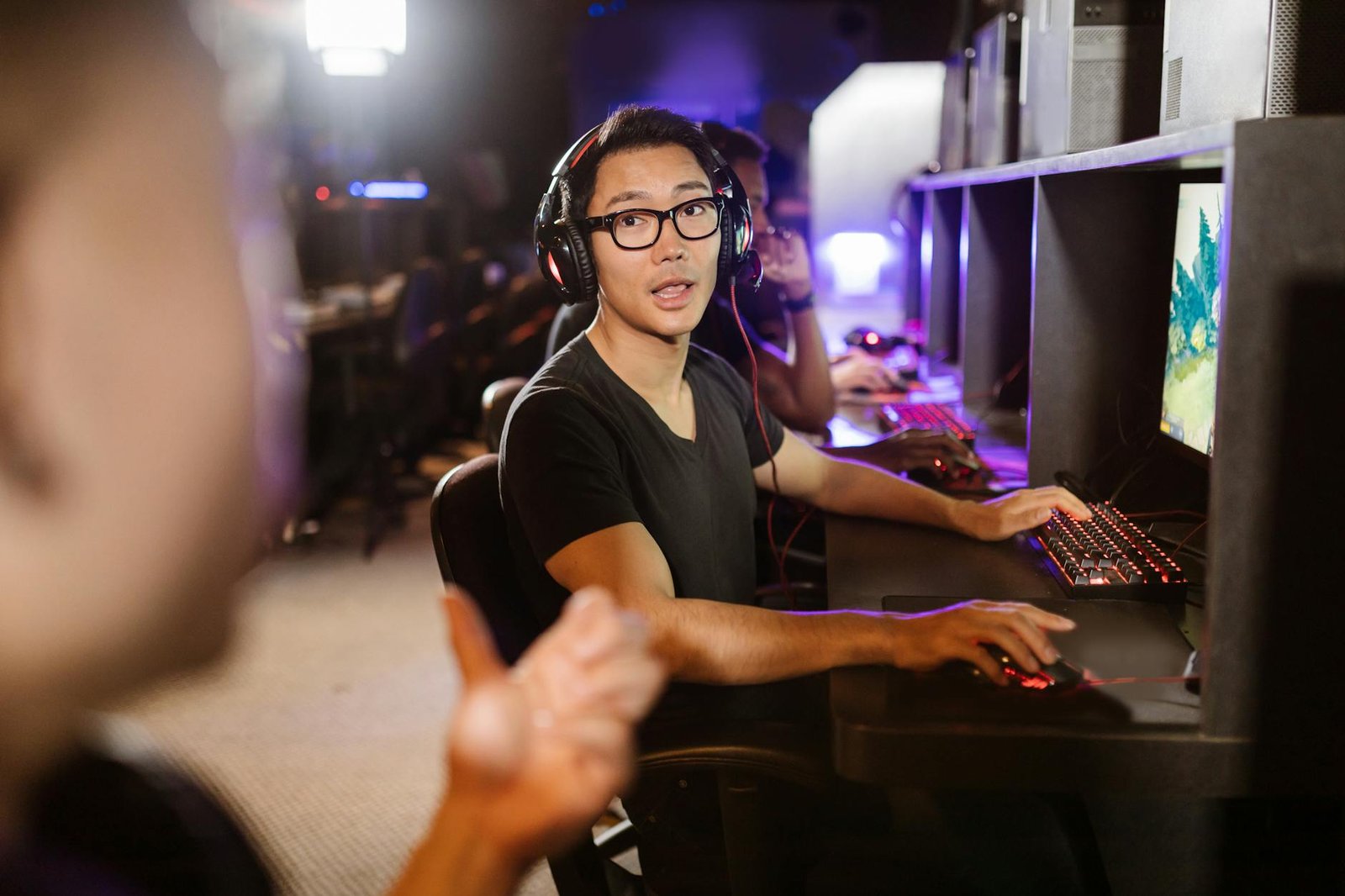
In competitive FPS, every millisecond and sound cue can mean the difference between victory and defeat. A top-tier gaming headset isn’t just an accessory; it’s a critical tool that gives you a significant advantage, letting you pinpoint enemy locations, anticipate movements, and communicate with crystal clarity. Honestly, if you’re serious about climbing the ranks, a good headset is non-negotiable. As of 2026, audio technology has made gaming headsets more precise and immersive than ever, offering features like spatial audio, ultra-low latency wireless, and superior microphone quality. This guide will help you handle the crowded market to find the best gaming headsets for competitive FPS, making sure you have the auditory edge you need.
Disclosure: This post contains affiliate links. If you purchase through our links, we may earn a commission at no extra cost to you. We only recommend products we genuinely believe in.
Quick Picks: Top 3 Gaming Headsets for Competitive FPS
- Best Overall: SteelSeries Arctis Nova Pro Wireless
- Best Wired Performance: HyperX Cloud Alpha S
- Best Value: Razer BlackShark V2 Pro (2026 Edition)
Top 7 Gaming Headsets for Competitive FPS
To pick the right headset, you need to balance sound quality, comfort, mic performance, and connectivity. Our expert-tested selections for 2026 prioritize these factors to give you the ultimate competitive advantage.
1. SteelSeries Arctis Nova Pro Wireless
The SteelSeries Arctis Nova Pro Wireless still sets the bar for premium gaming audio in 2026. Its innovative Nova Pro Acoustic System delivers exceptional clarity and spatial awareness—critical for picking up subtle in-game sounds. Active Noise Cancellation (ANC) keeps you fully immersed, free from distractions. The dual-wireless system lets you game on 2.4GHz and connect via Bluetooth simultaneously, a feature competitive players really value. Yes, it’s expensive, but for serious players, the investment is absolutely worth it for its thorough feature set and top-tier performance.
- Pros: Superior sound with spatial audio, excellent ANC, comfortable, dual-wireless, hot-swappable batteries.
- Cons: High price, can be complex to set up initially.
2. HyperX Cloud Alpha S
If you’re a wired-only player who demands zero latency, the HyperX Cloud Alpha S is, frankly, one of the best choices out there. Building on the original Cloud Alpha’s legacy, the 2026 ‘S’ model refines its dual-chamber drivers for even clearer distinction between bass and mids/highs—vital for telling footsteps from gunfire. Adjustable bass sliders let you personalize sound profiles, a unique feature competitive players can use to optimize audio for specific games. Its solid build quality and plush earcups ensure comfort during extended gaming sessions. For more, see our guide on Best Gaming Headsets Fps.
- Pros: Exceptional wired audio clarity, customizable bass, durable, comfortable for long sessions, reliable microphone.
- Cons: Wired connection might not suit everyone, lacks advanced wireless features.
3. Razer BlackShark V2 Pro (2026 Edition)
The 2026 Razer BlackShark V2 Pro cements its spot as a top-tier wireless option for competitive play. Razer’s HyperSpeed Wireless technology ensures ultra-low latency, making it feel almost indistinguishable from a wired connection. Updated TriForce Titanium 50mm drivers deliver powerful, clear audio, and the detachable HyperClear Supercardioid Mic offers excellent voice clarity, minimizing background noise. Its lightweight design and breathable ear cushions make it incredibly comfortable for prolonged use—a huge plus in marathon gaming sessions. The battery life is decent, but honestly, it’s not the best in its class, and Razer’s software can be a bit of a resource hog.
- Pros: Ultra-low latency wireless, excellent microphone, lightweight and comfortable, immersive audio.
- Cons: Battery life isn’t class-leading, software can be resource-intensive.
4. Logitech G Pro X 2 LIGHTSPEED
Logitech‘s G Pro X 2 LIGHTSPEED is a serious contender, especially if you’re already in the Logitech G ecosystem. New PRO-G Graphene drivers deliver incredibly precise audio, boosting soundstage and clarity. LIGHTSPEED wireless technology provides a stable, low-latency connection—essential for competitive FPS. Its comfortable design, developed with esports pros, means it can handle the demands of competitive play. And the Blue VO!CE microphone technology offers broadcast-quality voice communication, a critical part of team-based games.
- Pros: Exceptional audio precision, reliable LIGHTSPEED wireless, comfortable and durable, advanced microphone features.
- Cons: Higher price, some users might want more bass.
- Trade In Your Old Gaming Gear on Amazon
5. Audeze Maxwell
The Audeze Maxwell brings planar magnetic technology to wireless gaming headsets, offering audio fidelity rarely seen in this category. Its 90mm planar magnetic drivers produce incredibly detailed, accurate sound, giving you a significant advantage in identifying subtle audio cues. With ultra-low latency wireless and a solid build, the Maxwell is designed for serious gamers. The microphone quality also stands out, ensuring clear communication even in noisy environments. Sure, it’s heavier than most, but the sound quality is so good that for audiophiles and competitive players, it’s a trade-off worth making. For more, see our guide on Best Gaming Headset Alternatives Steelseries Arctis Nova Pro Wireless.
- Pros: Unrivaled audio fidelity with planar magnetic drivers, excellent microphone, solid build, long battery life.
- Cons: Heavier than dynamic driver headsets, premium price.
- Trade In Your Old Gaming Gear on Amazon
6. Beyerdynamic MMX 300 (2nd Gen)
The Beyerdynamic MMX 300 (2nd Gen) is a premium wired headset that uses the company’s extensive experience in professional audio. Based on their acclaimed pilot headsets, the MMX 300 delivers outstanding sound accuracy and a wide soundstage, making it easy to pinpoint enemy positions. Its closed-back design provides excellent passive noise isolation, and the microphone is broadcast-quality, ensuring your teammates hear you clearly. For pure audio performance and a wired connection, this headset is still, in my opinion, unmatched in 2026.
- Pros: Superb audio accuracy and soundstage, excellent passive noise isolation, professional-grade microphone, extremely durable.
- Cons: Wired only, high price, lacks modern gaming features like spatial audio software.
- Trade In Your Old Gaming Gear on Amazon
7. EPOS H6PRO Closed
The EPOS H6PRO Closed is a great option for competitive players who want a high-performance wired headset with excellent passive noise cancellation. Its closed-back design and comfortable earcups create a superb seal, blocking distractions and letting you focus entirely on in-game audio. The audio drivers are tuned for clarity and positional accuracy, which is critical in FPS games. The detachable microphone is also high quality, ensuring clear communication. It’s a no-frills, high-performance wired headset that, frankly, just gets the job done exceptionally well.
- Pros: Excellent passive noise cancellation, clear and accurate audio, comfortable, high-quality detachable microphone.
- Cons: Wired only, lacks advanced features found in wireless counterparts.
- Trade In Your Old Gaming Gear on Amazon
Comparison Table: Best Gaming Headsets for Competitive FPS (2026)
| Headset | Connectivity | Driver Type | Key Features | Approx. Price (2026) |
|---|---|---|---|---|
| SteelSeries Arctis Nova Pro Wireless | Wireless (2.4GHz, Bluetooth) | Dynamic | ANC, Spatial Audio, Hot-swappable Batteries | $350-400 |
| HyperX Cloud Alpha S | Wired | Dynamic (Dual Chamber) | Customizable Bass, Durable Build | $100-120 |
| Razer BlackShark V2 Pro (2026 Edition) | Wireless (2.4GHz) | Dynamic (TriForce Titanium) | Ultra-low Latency, HyperClear Mic | $180-200 |
| Logitech G Pro X 2 LIGHTSPEED | Wireless (2.4GHz) | Graphene Dynamic | PRO-G Graphene Drivers, Blue VO!CE Mic | $230-250 |
| Audeze Maxwell | Wireless (2.4GHz, Bluetooth) | Planar Magnetic | Exceptional Audio Fidelity, Robust Build | $300-330 |
| Beyerdynamic MMX 300 (2nd Gen) | Wired | Dynamic | Professional Audio Accuracy, Broadcast Mic | $280-300 |
| EPOS H6PRO Closed | Wired | Dynamic | Excellent Passive Noise Cancellation, Clear Audio | $130-150 |
The Impact of Audio on Competitive FPS Performance
You can’t overstate the role of high-quality audio in competitive FPS. Studies consistently show that better auditory cues directly improve player performance. For instance, research on auditory latency in first-person shooters shows how even minimal delays affect a player’s ability to react to in-game events, impacting aim and decision-making (Nordahl et al., 2026). A good gaming headset provides precise spatial audio, letting players accurately determine the direction and distance of sounds like footsteps, reloads, and ability activations. This auditory information often matters as much as visual information, giving players a crucial tactical advantage.
Beyond individual performance, clear communication with teammates is critical. A high-quality microphone with effective noise cancellation ensures callouts are heard without interference, fostering better team coordination and strategy execution. The esports industry, projected to keep growing rapidly into 2026 (Gitnux, 2026), relies heavily on advanced gaming peripherals, including headsets, to give professional players every possible edge.
Honorable Mentions
While the headsets above represent the pinnacle of competitive FPS audio, several other models deserve recognition for their strong performance and value:
- Corsair HS80 RGB Wireless: A comfortable and capable wireless option with good sound and microphone quality. Trade In Your Old Gaming Gear on Amazon
- Sennheiser GSP 600: Known for its solid build and excellent passive noise isolation, a strong wired choice. Trade In Your Old Gaming Gear on Amazon
- Turtle Beach Stealth Pro: Offers strong features for console gamers, including good ANC and comfortable design. Trade In Your Old Gaming Gear on Amazon
How to Choose the Best Gaming Headset for Competitive FPS
Ready to pick your next competitive FPS headset? Here’s what to look for:
Sound Quality and Spatial Audio
Look for headsets that offer clear, accurate sound and excellent spatial audio. The ability to precisely locate enemies by sound is non-negotiable. Aim for headsets with large, high-quality drivers and support for virtual surround sound technologies like Dolby Atmos or DTS Headphone:X.
Microphone Clarity
Your teammates need to hear you clearly. A good microphone should have noise-canceling features to filter out background distractions and deliver your voice clearly. Detachable or retractable microphones are often more convenient.
Comfort and Build Quality
Competitive gaming sessions can last for hours. Choose a headset that’s lightweight, has breathable earcups, and offers a comfortable fit. Durable construction also needs to withstand regular use. For more, see our guide on Best Gaming Gear Reviews.
Connectivity (Wired vs. Wireless)
Wired headsets offer zero latency and typically don’t need charging, making them a reliable choice. Wireless headsets give you freedom of movement but require charging and introduce a minuscule amount of latency. However, modern wireless technologies like 2.4GHz connections have minimized this to imperceptible levels for most users. Some cutting-edge research in audio-visual scene generation is exploring ways to further enhance immersive experiences, which could influence future headset designs (Jin & Chen, 2026).
Compatibility
Ensure the headset is compatible with your primary gaming platform (PC, PlayStation, Xbox, Nintendo Switch). For more, see our guide on Best Gaming Gear Reviews.
FAQ Section
Q: Is a wired or wireless headset better for competitive FPS?
A: For absolute minimal latency, a wired headset is technically superior. However, modern 2.4GHz wireless headsets offer such low latency that the difference is imperceptible to most competitive players, giving you the added benefit of freedom of movement. Ultimately, it comes down to personal preference and budget, but don’t let anyone tell you wireless isn’t competitive anymore. For more, see our guide on Best Wireless Gaming Mice Mmo.
Q: What is spatial audio and why is it important for FPS?
A: Spatial audio (also known as virtual surround sound) creates the illusion of sound coming from different directions around you. In FPS games, this lets you accurately pinpoint the location of enemies, footsteps, and other critical sound cues, giving you a significant tactical advantage over players using standard stereo audio.
Q: How much should I spend on a competitive FPS headset?
A: You can find excellent competitive FPS headsets across various price points. Entry-level options start around $80-$100, offering solid performance. Mid-range headsets (around $150-$250) provide a great balance of features and performance. Premium headsets ($300+) offer the absolute best in sound quality, features, and build, often incorporating advanced technologies like planar magnetic drivers or active noise cancellation.
Q: Do professional esports players use specific headsets?
A: Many professional esports players use headsets from brands like SteelSeries, HyperX, Razer, and Logitech. Their choices often prioritize sound accuracy, microphone clarity, and comfort for long hours of play. They frequently use wired connections for reliability, though high-performance wireless options are becoming increasingly popular in 2026.
Conclusion
Investing in one of the best gaming headsets for competitive FPS in 2026 is a smart move for any serious player looking to gain an edge. From the exceptional audio precision of the SteelSeries Arctis Nova Pro Wireless to the strong wired performance of the HyperX Cloud Alpha S, today’s options offer impressive clarity, communication, and comfort. By considering sound quality, mic performance, comfort, and connectivity, you’ll pick a headset that not only enhances your immersion but also directly contributes to your in-game success. Choose wisely, and prepare to dominate the battlefield.
Related reading: Cheap Gaming Accessories Under 50.
References
- Gitnux. (2026). Games Industry Statistics: Market Data Report 2026. Gitnux. https://gitnux.org/games-industry-statistics/
- Jin, D., & Chen, X. (2026, March 30). SonoWorld: From One Image to a 3D Audio-Visual Scene. arXiv. https://arxiv.org/abs/2603.28757v1
- Nordahl, M., Nilsson, N. C., & Jørgensen, M. (2026). The Effects of Auditory Latency on Experienced First-Person Shooter Players. Proceedings of the ACM on Human-Computer Interaction, 6(CHI PLAY), 1–18. https://dl.acm.org/doi/fullHtml/10.1145/3543758.3543760