

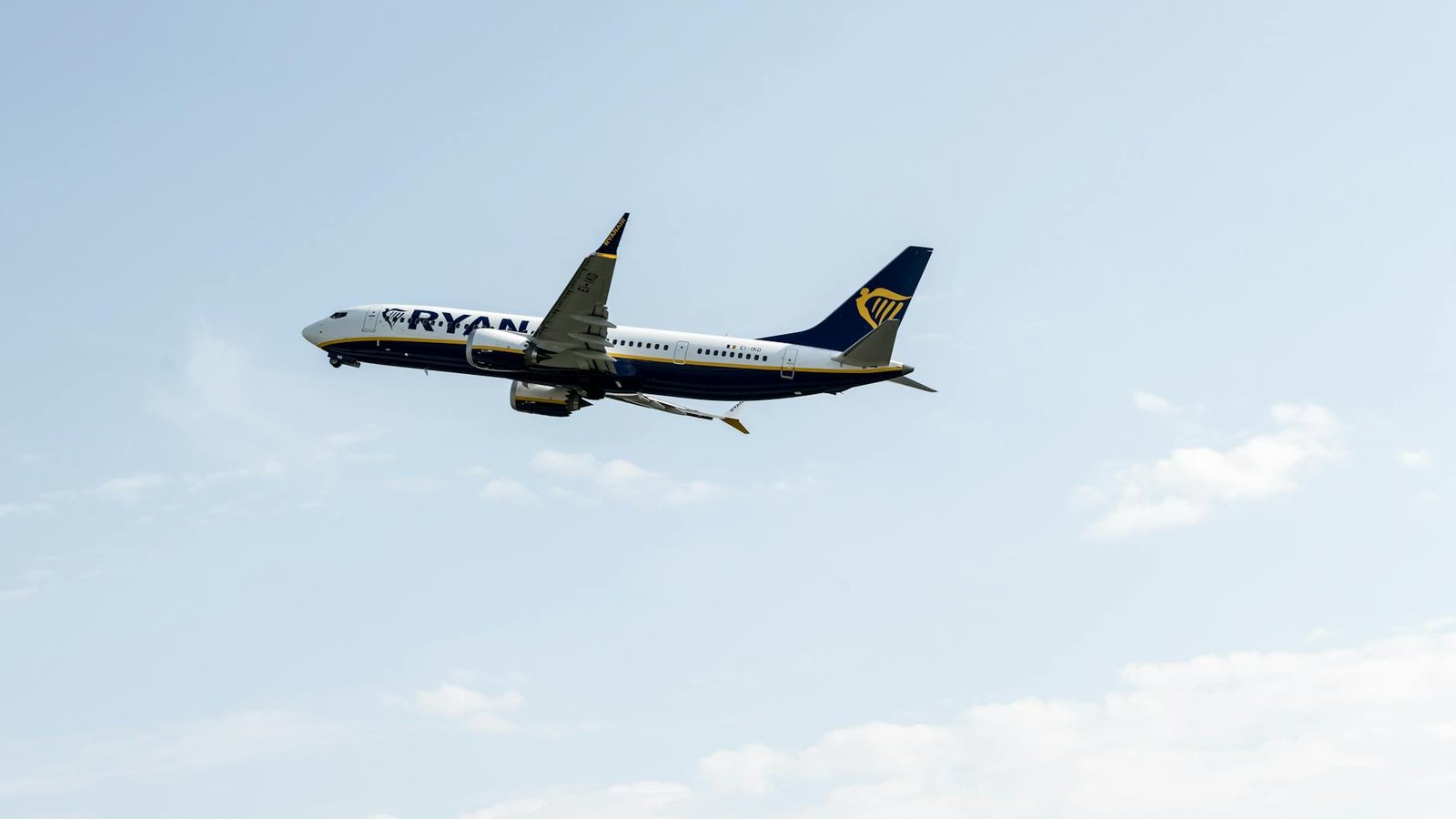
Planning a trip in 2026 often comes down to a fundamental choice: budget airlines vs. traditional airlines. While both will get you to your destination, the experience, cost, and overall value can differ significantly. Understanding these distinctions is crucial for any traveler looking to maximize their savings without compromising too much on comfort or convenience. This comprehensive guide will break down the key differences, helping you decide which airline type best suits your travel style and budget in the current year. For more, see our guide on Best Budget Airlines International.
Disclosure: This post contains affiliate links. If you purchase through our links, we may earn a commission at no extra cost to you. We only recommend products we genuinely believe in.
The airline industry continues to evolve, with budget carriers consistently challenging the long-standing models of traditional airlines. In 2026, air passenger demand has seen a 3.8% growth, indicating a robust travel market where both types of airlines vie for customers (IATA, 2026). However, the operational strategies and pricing structures of budget airlines versus traditional airlines remain distinct, impacting everything from ticket prices to in-flight amenities.
Key Differences in Strategic Focus
The core philosophy behind budget airlines, often referred to as low-cost carriers (LCCs), is to offer the lowest possible base fare. This is achieved by unbundling services, meaning that amenities typically included in a traditional airline ticket (like checked baggage, seat selection, and in-flight meals) are offered à la carte for an additional fee. Their strategic focus is on high-volume, point-to-point travel, often bypassing major hubs. For more, see our guide on Best Budget Travel Tips.
Traditional airlines, on the other hand, focus on a full-service model. Their strategic aim is to provide a more comprehensive travel experience, often including connecting flights, loyalty programs, and a wider range of in-flight services. Their revenue models are more complex, incorporating dynamic pricing and yield management to optimize profitability across various fare classes (IATA, n.d.). This often translates to higher base fares but potentially fewer unexpected costs.
Fleet Composition and Operations
Budget airlines typically operate a standardized fleet, often consisting of a single aircraft type (e.g., Airbus A320s or Boeing 737s). This standardization streamlines maintenance, reduces training costs for pilots and crew, and simplifies spare parts inventory. This operational efficiency is a cornerstone of their low-cost model. For more, see our guide on Best Budget Travel Tips.
Traditional airlines, especially major international carriers, tend to have diverse fleets that include a variety of aircraft types, from narrow-body jets for domestic routes to wide-body aircraft for long-haul international flights. This allows them greater flexibility in route planning and capacity management, but also incurs higher operational complexities and costs. For more, see our guide on Skyscanner Vs Google Flights.
Low-Cost Carriers Focus on Secondary Airports
One of the most significant ways budget airlines cut costs is by utilizing secondary or smaller airports, often located further from major city centers. These airports typically have lower landing fees, less air traffic congestion, and faster turnaround times. While this can mean a longer commute to and from the airport for passengers, it directly contributes to lower ticket prices.
Traditional airlines primarily operate out of major international airports, which serve as their hubs. These hubs offer extensive connectivity, a wider range of services, and convenient access to metropolitan areas. However, the costs associated with operating at these prime locations are significantly higher and are reflected in ticket prices.
Distribution Channels
Budget airlines heavily rely on direct sales through their own websites and mobile apps. This allows them to avoid commission fees paid to online travel agencies (OTAs) and global distribution systems (GDS). While they may appear on comparison sites like Skyscanner and Google Flights, the booking is often redirected to their own platform.
Traditional airlines utilize a broader range of distribution channels, including their own websites, OTAs, corporate travel agencies, and GDS. This wider reach is essential for their complex network of routes and caters to both leisure and business travelers. However, the associated distribution costs are higher. For more, see our guide on Diy Travel Vs Package Deals.
Revenue Sources: Beyond the Ticket Price
For budget airlines, ancillary revenue is a critical component of their business model. This includes fees for checked baggage, carry-on bags exceeding personal item limits, seat selection, priority boarding, in-flight food and beverages, and even printing boarding passes at the airport. These add-ons can significantly increase the total cost of a trip if not accounted for.
Traditional airlines also generate ancillary revenue, but it typically represents a smaller percentage of their overall income. While they may charge for premium services like extra legroom or upgraded meals, many basic services are included in the initial ticket price. Loyalty programs and business class upgrades are also significant revenue streams for traditional carriers.
Baggage Policies: A Major Cost Factor
Baggage policies are perhaps the most noticeable difference when comparing budget and traditional airlines. Budget airlines almost universally charge for checked baggage and often have strict limits on carry-on sizes and weights. Exceeding these limits can result in substantial fees at the airport. For example, a checked bag on a budget airline might cost $40-70 each way in 2026, a significant increase from just a few years ago.
Traditional airlines typically include at least one checked bag in their economy fares, especially for international flights. Carry-on bags and personal items are also usually included without extra charge, provided they meet size and weight restrictions. While overweight or oversized bags will incur fees, the initial allowance is often more generous. For more, see our guide on How To Find Cheap Flights For Beginners.
In-Flight Services and Amenities
The in-flight experience is another area where budget and traditional airlines diverge. Budget airlines offer a no-frills experience. Expect basic seating, limited or no complimentary refreshments, and often no in-flight entertainment system. Wi-Fi, if available, is usually a paid service.
Traditional airlines generally provide a more comfortable experience. This often includes complimentary snacks and beverages, a wider selection of in-flight entertainment (movies, TV shows), and more spacious seating, particularly on longer flights. Wi-Fi may be offered as a complimentary service for certain fare classes or available for purchase.
Customer Service and Flexibility
Customer service with budget airlines can be more streamlined and less personalized. Changes to bookings often incur higher fees, and rebooking options in case of delays or cancellations might be limited. Their focus on efficiency means less emphasis on extensive customer support channels.
Traditional airlines typically offer more robust customer service, with dedicated call centers, airport assistance, and more flexible rebooking policies, especially for higher fare classes. While change fees still exist, they can be less punitive, and there may be more options for compensation or alternative travel arrangements in the event of disruptions.
The Bottom Line: Which Saves You More?
The question of which airline saves you more, budget airlines vs. traditional airlines, ultimately depends on your travel habits and priorities. For the savvy traveler who packs light, doesn’t require in-flight amenities, and is willing to fly into secondary airports, budget airlines almost always offer the lowest base fare. However, it’s crucial to factor in all potential ancillary fees.
For travelers who prefer a more inclusive experience, require checked baggage, value in-flight comfort, or need more flexibility with their bookings, traditional airlines can often provide better overall value, even with a higher initial ticket price. The convenience of major airports and comprehensive service can outweigh the perceived savings of a budget carrier once all costs are considered.
To truly save money, always compare the total cost of your trip, including all potential fees for baggage, seat selection, and any other services you might need. Use flight comparison tools like Skyscanner and Google Flights to see a broad range of options, but then visit the airline’s direct website to confirm all charges.
| Feature | Budget Airlines | Traditional Airlines |
|---|---|---|
| Base Fare | Lower | Higher |
| Baggage | Extra fees for checked & often carry-on | Usually 1 checked bag & carry-on included |
| Seat Selection | Extra fee | Often included, or free at check-in |
| In-Flight Meals/Drinks | Available for purchase | Often complimentary on longer flights |
| Entertainment | Limited or none (paid Wi-Fi) | Complimentary (movies, TV, Wi-Fi options) |
| Airports Used | Secondary/smaller airports | Major international hubs |
| Flexibility/Changes | High fees, limited options | More flexible, lower fees (depending on fare) |
| Customer Service | Streamlined, less personalized | More comprehensive support |
FAQ Section
Q: Are budget airlines safe?
A: Yes, budget airlines are held to the same rigorous safety standards and regulations as traditional airlines by aviation authorities worldwide. Their cost-saving measures do not compromise safety.
Q: Can I save money by booking last-minute with a budget airline?
A: While occasional last-minute deals can be found, budget airlines often increase prices closer to the departure date, especially for popular routes. Booking in advance typically yields better fares.
Q: Do budget airlines always fly to inconvenient airports?
A: Not always. Many budget airlines now serve primary airports on some routes, but they still frequently utilize secondary airports to keep costs down. Always check the specific airport codes when booking.
Q: What’s the best way to compare total costs between budget and traditional airlines?
A: Use flight comparison websites like Skyscanner or Google Flights to find initial fares. Then, go to each airline’s official website and add all the services you require (baggage, seat selection, etc.) to get a true total cost for comparison.
Conclusion: Make an Informed Choice for Your 2026 Travels
In 2026, the choice between budget airlines and traditional airlines remains a personal one, heavily influenced by your travel priorities and budget. Budget carriers offer unparalleled low base fares, making them ideal for minimalist travelers focused solely on getting from point A to point B. However, the accumulation of ancillary fees can quickly erode these initial savings.
Traditional airlines, while often more expensive upfront, provide a more inclusive and comfortable experience, with many services bundled into the ticket price. For those who value convenience, comfort, and comprehensive service, the higher initial cost may represent better overall value.
Before booking your next flight, take the time to calculate the full cost, considering all potential fees. By understanding the distinct models of budget airlines vs. traditional airlines, you can make an informed decision that ensures a smooth and cost-effective journey in 2026. Start comparing your options today with Skyscanner or Google Flights!
References
- International Air Transport Association. (2026, March 2). 2026 Begins with 3.8% Air Passenger Demand Growth. IATA. https://www.iata.org/en/pressroom/2026-releases/2026-03-02-02/
- International Air Transport Association. (n.d.). Revenue Management: the Heartbeat of Aviation. IATA Knowledge Hub. https://www.iata.org/en/publications/newsletters/iata-knowledge-hub/revenue-management-the-heartbeat-of-aviation/