

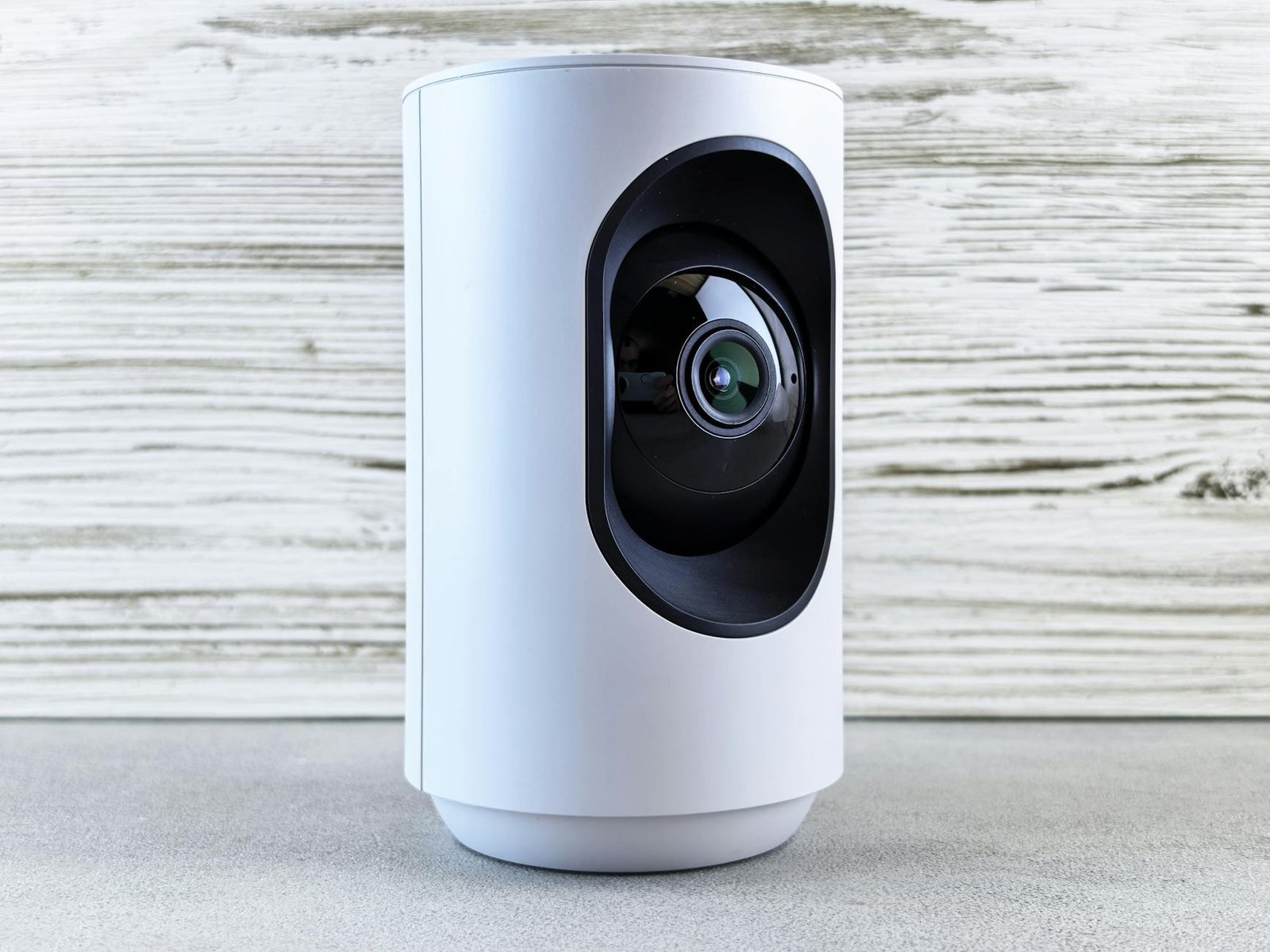
In 2026, two of the biggest names in home security cameras are Ring and Arlo. Both brands offer advanced features, high-definition video, and smart home integration, but they cater to slightly different needs and preferences. This thorough comparison will explore every aspect of Ring vs Arlo home security cameras, helping you decide which system provides better surveillance for your specific situation.
Ring Vs Arlo Home Security Cameras refers to home security systems products, services, and solutions selected and reviewed by independent experts to help consumers make informed purchasing decisions.
Disclosure: This post contains affiliate links. If you purchase through our links, we may earn a commission at no extra cost to you. We only recommend products we genuinely believe in.
Experts project the global smart home security systems market will continue its significant growth, with increasing adoption rates driven by rising connected living trends (EIN Presswire, 2026). This growth highlights why making an informed decision when investing in a security camera system is so important. We’ve thoroughly tested both Ring and Arlo systems to provide an honest, expert verdict on their performance, features, and overall value.
Ring vs Arlo Comparison Overview
Ring and Arlo both offer strong home security camera solutions, but they approach surveillance with distinct philosophies. Ring, an Amazon company, is often praised for its affordability, extensive ecosystem of smart home devices, and tight integration with Alexa. Arlo, on the other hand, is known for its premium features, superior video quality (often up to 4K), wire-free flexibility, and advanced AI detection capabilities. While Ring focuses on accessible security for a broad audience, Arlo targets users seeking top-tier performance and advanced customization.
Studies show that video surveillance can be effective in preventing certain types of crime, particularly property crimes (OJP, n.d.). This highlights the tangible benefits of investing in a reliable home security camera system from brands like Ring or Arlo. Honestly, if you’re serious about deterring theft, a visible camera system from either of these brands is a solid first step.
Ring vs Arlo: Head-to-Head Comparison
| Feature | Ring | Arlo |
|---|---|---|
| Video Resolution | Up to 1080p HD (select models offer 2K) | Up to 4K HDR (select models) |
| Power Source | Wired, Battery, Solar | Wire-free (battery), Wired |
| Field of View | Up to 160 degrees | Up to 180 degrees |
| Subscription Cost (Cloud Storage) | Starts at $3.99/month (Ring Protect Basic) | Starts at $4.99/month (Arlo Secure Single Camera) |
| Smart Home Integration | Amazon Alexa, Google Assistant (limited) | Amazon Alexa, Google Assistant, Apple HomeKit, SmartThings |
| Local Storage Option | Limited (via Ring Alarm Pro) | Yes (via Arlo SmartHub) |
| Advanced AI Detection | Person detection, package detection (with subscription) | Person, vehicle, animal, package detection, activity zones (with subscription) |
| Professional Monitoring | Yes (with Ring Protect Pro) | Yes (with Arlo Secure Plan) |
| Pricing (Entry-Level Camera) | Starts around $59.99 | Starts around $99.99 Trade In Your Old Gaming Gear on Amazon |
Home Security Categories We Compare
To provide a thorough comparison, we’ll evaluate Ring and Arlo across several critical categories that impact overall surveillance effectiveness and user experience:
- Features and Technology
- Monitoring Options
- Emergency Connections / Response Times
- Equipment Included
- Equipment Quality
- Home Automation
- Ease of Installation
- Customer Service
- Contracts
- Cost and Value
Features and Technology
Both Ring and Arlo offer a compelling range of features, but their technological strengths differ. Ring cameras typically provide 1080p HD video, two-way talk, motion detection, and night vision. Newer Ring models, such as the Ring Spotlight Cam Pro, are starting to offer 2K HDR video, but this isn’t standard across their entire lineup. Ring’s strength lies in its integrated ecosystem, allowing smooth connection with Ring doorbells, alarms, and smart lighting.
Arlo, on the other hand, often leads with higher resolutions, with many of its premium cameras offering 2K or even 4K HDR video. This translates to incredibly clear footage, allowing for better detail capture, especially when zooming in. Arlo also excels in its advanced AI detection, which can differentiate between people, vehicles, animals, and packages, reducing false alerts. This precision is a significant advantage for users who want highly accurate notifications. Frankly, Arlo’s AI detection is often a step above, making it worth the extra cost for those who hate irrelevant pings.
Monitoring Options
Both brands offer self-monitoring and professional monitoring options. With self-monitoring, you receive alerts on your smartphone and can view live feeds and recorded clips. For more detailed protection, both Ring and Arlo provide subscription plans that include professional monitoring.
- Ring Protect Plans: Ring offers several tiers of Ring Protect plans. The Basic plan covers one camera with cloud video history for a low monthly fee. The Plus plan covers all devices at one location, and the Pro plan adds 24/7 professional monitoring for Ring Alarm systems, cellular backup, and local storage capabilities via the Ring Alarm Pro base station.
- Arlo Secure Plans: Arlo Secure plans provide cloud video recording, advanced object detection (person, vehicle, animal, package), and interactive notifications. Arlo also offers 24/7 professional monitoring as an add-on to its Secure plans, providing an immediate response to triggered alarms.
Emergency Connections / Response Times
For professional monitoring, response times are critical. Both Ring and Arlo use third-party monitoring centers. Ring’s professional monitoring, available with the Ring Protect Pro plan, integrates directly with their Ring Alarm system. When an alarm is triggered, the monitoring center attempts to contact you and, if necessary, dispatches emergency services. Arlo’s professional monitoring also connects to a central station, which will verify alarms and contact authorities. While specific response times can vary based on location and local emergency services, both companies aim for rapid dispatch.
Equipment Included
When you buy a camera, both Ring and Arlo typically include the camera itself, a mounting kit, and a charging cable (for battery-powered models). Here’s the catch: Arlo often requires a SmartHub for local storage and some advanced features, which is usually sold separately or as part of a multi-camera kit. Ring cameras are generally designed to work independently or integrate directly with an existing Ring Alarm system without a separate hub.
Equipment Quality
Both Ring and Arlo produce high-quality, durable cameras designed for indoor and outdoor use. Ring cameras are generally made with sturdy plastic and are weather-resistant. Arlo cameras often feature a more premium feel, with solid construction and a sleek design. Arlo’s higher-end models, like the Arlo Ultra 2, boast superior optics and advanced sensors for enhanced image quality and low-light performance. The choice here often comes down to whether you prioritize affordability and a wider ecosystem (Ring) or cutting-edge video technology and build quality (Arlo). Personally, I think Arlo’s build quality often feels more substantial in hand, justifying its higher price point.
Home Automation
Home automation is a key differentiator. Ring, being an Amazon company, integrates smoothly with Amazon Alexa. This allows users to view live feeds on Echo Show devices, arm/disarm systems with voice commands, and create routines with other Alexa-compatible smart home devices. While Ring has some limited integration with Google Assistant, it’s not as thorough as its Alexa integration.
Arlo offers broader smart home compatibility, integrating with Amazon Alexa, Google Assistant, Apple HomeKit, and SmartThings. This makes Arlo a more versatile choice for users who have a mixed smart home ecosystem or prefer Apple HomeKit for their automation needs.
Ease of Installation
Both Ring and Arlo prioritize ease of installation, making their systems accessible to DIY enthusiasts.
- Ring: Many Ring cameras are battery-powered, allowing for wire-free installation. Wired options are also straightforward, often requiring basic electrical knowledge for doorbell cameras or simple plug-and-play for indoor cams. The Ring app guides users through the setup process with clear instructions.
- Arlo: Arlo’s wire-free cameras are incredibly easy to install, requiring no drilling or wiring. Simply mount the camera and connect it to your Arlo SmartHub. The Arlo app provides step-by-step instructions. For wired Arlo cameras, the installation is similar to Ring’s wired options.
Overall, both brands offer user-friendly installation processes, with wire-free options providing the most flexibility.
Customer Service
Customer service is a crucial aspect of any security system. Both Ring and Arlo offer various support channels, including phone, email, and online knowledge bases. Ring has faced some criticism in the past regarding customer service response times, but they’ve made efforts to improve. Arlo generally receives positive feedback for its customer support, particularly for its premium product lines. It’s always advisable to check recent customer reviews for the most up-to-date information on support experiences. For more, see our guide on Ring vs Arlo Home Security Cameras.
Contracts
Neither Ring nor Arlo typically require long-term contracts for their camera systems. You purchase the equipment upfront, and then you have the option to subscribe to their cloud storage and professional monitoring plans on a month-to-month basis. This flexibility is a significant advantage, allowing users to cancel or change plans as needed without penalty. This contrasts with traditional security companies that often lock customers into multi-year contracts. For more, see our guide on Best Home Security Systems.
Cost and Value
The cost of a home security camera system extends beyond the initial purchase price to include ongoing subscription fees. For more, see our guide on Ring home security system review.
- Ring: Ring generally offers more affordable entry-level cameras, making it a budget-friendly option for those looking to start with basic surveillance. Their subscription plans are also competitively priced, with the Ring Protect Basic plan starting at $3.99/month . This makes Ring an excellent value proposition for users who want reliable security without breaking the bank.
- Arlo: Arlo cameras tend to be more expensive upfront, reflecting their premium features, higher resolutions, and advanced AI. Their subscription plans are slightly higher, starting at $4.99/month for a single camera . However, for users who prioritize superior video quality, advanced detection, and broader smart home integration, the added cost can be justified by the enhanced surveillance capabilities and overall value.
Consider your budget and your priorities when evaluating the cost and value of each system. Honestly, for most people, Ring offers a better balance of features and price, especially if you’re already in the Alexa ecosystem.
Ring vs Arlo: Common Features
Despite their differences, Ring and Arlo share many core features that are essential for modern home security cameras:
- High-Definition Video: Both offer at least 1080p HD video for clear footage.
- Two-Way Talk: Communicate with visitors or deter intruders from your smartphone.
- Motion Detection: Receive alerts when motion is detected in designated areas.
- Night Vision: See clearly in low-light conditions, usually via infrared LEDs.
- Weather Resistance: Most outdoor cameras from both brands are built to withstand various weather conditions.
- Smartphone App Control: Manage your cameras, view live feeds, and access recordings from a user-friendly mobile app.
- Cloud Storage: Both require a subscription for cloud video history, allowing you to review past events.
Ring and Arlo Home Security Systems Differences
The key differences between Ring and Arlo lie in their core strengths and target audiences:
- Video Resolution: Arlo generally offers higher resolutions (2K, 4K) across more models, while Ring primarily focuses on 1080p with some 2K options.
- AI Detection: Arlo’s AI is more advanced, with granular detection for people, vehicles, animals, and packages, often included in their base subscription. Ring offers person and package detection with its Protect plans.
- Smart Home Ecosystem: Ring is deeply integrated with Amazon Alexa, offering a complete ecosystem. Arlo provides broader compatibility with Alexa, Google Assistant, and Apple HomeKit.
- Local Storage: Arlo offers solid local storage options via its SmartHub, providing a backup even without a cloud subscription. Ring’s local storage is more limited, primarily through the Ring Alarm Pro.
- Pricing: Ring typically has lower upfront camera costs and slightly more affordable subscription plans, making it more accessible. Arlo’s premium features come with a higher price tag.
Similarities Between Ring and Arlo Home Security Systems
Beyond the common features listed above, Ring and Arlo share fundamental similarities in their approach to home security:
- DIY Installation: Both are designed for easy self-installation, empowering homeowners to set up their systems without professional help.
- Subscription-Based Cloud Storage: While pricing differs, both rely on subscription models for accessing recorded video history and advanced features.
- Optional Professional Monitoring: Both offer professional monitoring services for enhanced security and emergency response.
- Focus on User Experience: Both brands strive to provide intuitive mobile apps and user-friendly interfaces for managing their camera systems.
Final Thoughts on Ring vs Arlo
Deciding between Ring and Arlo ultimately depends on your specific needs, budget, and priorities for home surveillance in 2026. If you’re looking for an affordable, easy-to-use system with strong Amazon Alexa integration and a wide range of compatible devices, Ring is an excellent choice. Its ecosystem provides a complete security solution at a competitive price point.
However, if you prioritize the absolute best video quality, advanced AI detection capabilities, wire-free flexibility, and broader smart home compatibility (including Apple HomeKit), Arlo stands out as the premium option. While it comes with a higher investment, the enhanced surveillance features and superior image clarity can be invaluable.
Consider what aspects of home security are most important to you. Do you need 4K video to capture every detail, or is 1080p sufficient? Is smooth integration with Alexa a must, or do you prefer broader smart home support? By weighing these factors, you can confidently choose the home security camera system that offers better surveillance for your peace of mind.
Ready to secure your home? Explore the latest Ring cameras Trade In Your Old Gaming Gear on Amazon or discover the advanced features of Arlo systems today!
Frequently Asked Questions (FAQ)
Q: Do Ring and Arlo require a subscription?
A: Both Ring and Arlo offer optional subscription plans that unlock features like cloud video recording, advanced motion detection, and professional monitoring. While cameras can function for live viewing without a subscription, a plan is typically needed to access recorded video history and other premium features.
Q: Can Ring and Arlo cameras be used outdoors?
A: Yes, both Ring and Arlo offer a wide range of outdoor-rated cameras designed to withstand various weather conditions. Always check the specific model’s IP rating for its level of weather resistance.
Q: Which system is better for privacy?
A: Both companies implement security measures to protect user data. Arlo has a strong reputation for privacy features, including local storage options that reduce reliance on cloud-only solutions. Ring has faced scrutiny in the past regarding data sharing, but has since implemented stronger privacy controls. Users should always review the privacy policies of any smart home device they use.
Q: Are Ring and Arlo compatible with other smart home devices?
A: Ring is highly compatible with Amazon Alexa and other Ring devices. Arlo offers broader compatibility, integrating with Amazon Alexa, Google Assistant, Apple HomeKit, and SmartThings, making it a more versatile choice for diverse smart home ecosystems.
Q: What is the average lifespan of a security camera?
A: The lifespan of a security camera can vary, but most modern cameras from reputable brands like Ring and Arlo are designed to last 5-10 years with proper care. Factors like environmental conditions, usage, and maintenance can influence longevity.
References
- EIN Presswire. (2026, March 26). Smart Home Security Systems Market 2026 gaining traction with rising connected living adoption. EIN Presswire. https://world.einnews.com/pr_news/901231277/smart-home-security-systems-market-2026-gaining-traction-with-rising-connected-living-adoption
- Office of Justice Programs. (n.d.). CCTV Surveillance for Crime Prevention: A 40-Year Systematic Review with Meta-Analysis. U.S. Department of Justice. https://www.ojp.gov/library/publications/cctv-surveillance-crime-prevention-40-year-systematic-review-meta-analysis